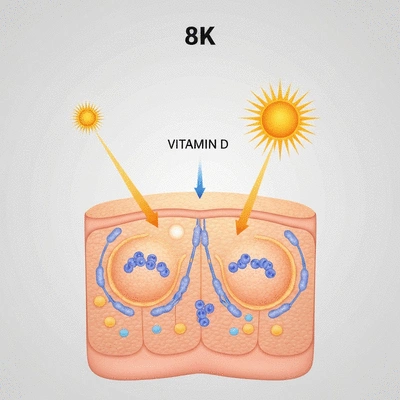
In our quest for optimal health, understanding the impact of certain nutrients is invaluable. Vitamin D, often referred to as the sunshine vitamin, is pivotal in enhancing our immune function. How does this nutrient, primarily obtained from sunlight, play such a crucial role in our overall health? Let’s unpack some key insights that highlight the importance of Vitamin D in boosting immunity.
What You Will Learn
Vitamin D enhances both innate and adaptive immunity, acting as a bridge between the two systems.
It stimulates the production of antimicrobial peptides, which serve as natural antibiotics against pathogens.
The nutrient regulates inflammation, helping to prevent chronic diseases and autoimmune reactions.
Vitamin D receptors in immune cells facilitate its influence on immune responses, highlighting its necessity for maintaining immune health.
The Dual Role of Vitamin D in Immune Function
Vitamin D plays a critical role in enhancing both innate and adaptive immunity, regulating inflammation, and supporting the body's defense mechanisms. Below is a summary of its key mechanisms of action and practical guidance for optimal levels.
Key Mechanisms of Action
1
Dual Immunity Support: Enhances both innate (first line of defense) and adaptive (specific threats) immune systems.
2
Antimicrobial Peptides: Stimulates production of natural antibiotics to combat pathogens.
3
Anti-inflammatory Effects: Regulates inflammation for an appropriate immune response.
4
D Receptors: Found on immune cells, modulating responses and keeping inflammation in check.
Practical Guidance for Optimal Levels
A
Start with Testing: Check serum levels (25(OH)D) to determine deficiency or sufficiency.
B
Choose Right Dosage: Follow healthcare provider guidelines based on individual needs and test results.
C
Monitor Progress: Re-evaluate levels regularly to adjust supplementation as needed for optimal health.
Have you ever wondered why Vitamin D is often hailed as a vital nutrient for our immune system? The truth is, Vitamin D's role goes beyond just keeping our bones strong. It plays a significant part in how our immune system functions, helping us fend off illnesses and infections! In this section, we'll explore the mechanisms behind Vitamin D's impact on our immunity.
As we delve into this topic, I want to emphasize that understanding how our body works is crucial. At Boost Your Immune System, we are dedicated to providing expert-backed insights, and I hope this information empowers you to make informed choices about your health.
Mechanisms of Action: How Vitamin D Enhances Immunity
Vitamin D enhances our immune function through several mechanisms. Here are the key ways it contributes:
Innate and Adaptive Immunity: Vitamin D supports both types of immunity, acting as a bridge between the two.
Antimicrobial Peptides: It stimulates the production of these natural antibiotics, which helps combat pathogens.
Anti-inflammatory Effects: Vitamin D helps regulate inflammation, ensuring our immune response is appropriate.
Vitamin D Receptors: These receptors are found throughout our immune system, highlighting the nutrient's importance in immune responses.
By balancing the immune response and enhancing defenses, Vitamin D helps our bodies effectively fight off infections. Isn’t it fascinating how such a simple nutrient can have such profound effects on our health?
Innate and Adaptive Immunity: The Dual Role of Vitamin D
Vitamin D's dual role in both innate and adaptive immunity is crucial for a well-functioning immune system. The innate immune system serves as our first line of defense against pathogens, while the adaptive system tailors the immune response to specific threats. By supporting both systems, Vitamin D ensures that our body can react swiftly and effectively to various invaders! For more detailed information on Vitamin D's function, consider checking out resources from the National Institutes of Health Office of Dietary Supplements.
Moreover, numerous studies suggest that individuals with sufficient Vitamin D levels experience fewer infections and recover faster when they do fall ill. So, keeping your Vitamin D levels in check can be a game-changer for your overall well-being!
One key way Vitamin D enhances immunity is through the production of antimicrobial peptides. These peptides are natural substances produced by our body that function like antibiotics, fighting off bacteria, viruses, and fungi. When we have adequate Vitamin D, our body can produce these peptides more effectively, increasing our defenses against infections.
Incorporating Vitamin D-rich foods into your diet—like fatty fish, fortified dairy products, and egg yolks—can help your body produce these protective substances. It's an easy and delicious way to boost your immunity!
Anti-inflammatory Effects and Immune Regulation
Chronic inflammation can be detrimental to our health, weakening our immune response and making us more susceptible to illness. Vitamin D plays a vital role in regulating inflammation, helping to maintain a balanced immune response. This anti-inflammatory effect is especially important for individuals who experience autoimmune conditions, where the immune system mistakenly attacks healthy cells. The National Center for Biotechnology Information (NCBI) offers further insights into the immunomodulatory effects of Vitamin D.
By supporting a healthy inflammatory response, Vitamin D not only helps in fighting infections but also protects our body's tissues from damage. Incorporating Vitamin D into your daily routine can be a powerful step toward maintaining optimal health!
The Role of Vitamin D Receptors in Immune Response
Did you know that Vitamin D receptors are found on various immune cells throughout our body? These receptors allow Vitamin D to exert its influence directly on our immune system. When Vitamin D binds to these receptors, it modulates immune responses, enhancing the body's ability to respond to threats while keeping inflammation in check.
This connection underscores the importance of maintaining adequate Vitamin D levels. A deficiency can impair immune function, leaving us vulnerable to infections and illnesses. So, how can we ensure we're getting enough Vitamin D? Let's explore that next!
Evaluating the Evidence: Clinical Studies on Vitamin D and Immunity
Now that we've covered the mechanisms of Vitamin D, let's discuss the evidence supporting its role in enhancing immunity. Research has shown compelling results regarding Vitamin D's impact on various health conditions.
From respiratory infections to autoimmune diseases, clinical studies provide valuable insights into how maintaining adequate Vitamin D levels can bolster our overall health. Stay tuned as we summarize key findings and what they mean for you!
We Want to Hear From You!
What do you think about the role of Vitamin D in enhancing immune health? Share your thoughts below:
Summarizing Key Takeaways on Vitamin D and Immunity
As we wrap up our discussion on vitamin D and its critical role in supporting immune health, it's essential to highlight some key takeaways. Vitamin D is not just a vitamin; it's a vital nutrient that can significantly influence our immune system's functionality. It enhances both the innate and adaptive immune responses, helping our bodies fend off infections while also regulating inflammation.
Research has shown that adequate levels of vitamin D can contribute to better outcomes in respiratory infections and various autoimmune conditions. This underscores the importance of monitoring your vitamin D status and adjusting your intake accordingly to maintain a robust immune system. Remember, being proactive about your health is a crucial step towards overall well-being!
Recap of Vitamin D’s Role in Immune Health
Enhances immune responses: Vitamin D plays a pivotal role in modulating both innate and adaptive immunity.
Supports antimicrobial defense: It helps produce antimicrobial peptides that fight off pathogens.
Regulates inflammation: Vitamin D has anti-inflammatory properties that may help prevent chronic diseases.
Influences immune cell function: The presence of vitamin D receptors on immune cells aids in their activation and response.
Understanding these aspects can empower you to make informed decisions regarding your vitamin D intake. It’s always fascinating to see how a single nutrient can have such a profound impact on our health!
Supplementation: Practical Guidance for Optimal Levels
So, how do you ensure you're getting enough vitamin D? Supplementation can be a practical strategy, especially for those at risk of deficiency. When choosing a supplement, consider factors like your lifestyle, dietary habits, and current vitamin D levels. A good practice is to consult with a healthcare provider for tailored advice. The Harvard T.H. Chan School of Public Health provides comprehensive information on Vitamin D needs and supplementation.
Start with testing: Check your serum levels to determine if you need a boost.
Choose the right dosage: Follow recommended guidelines based on your individual needs.
Monitor your progress: Re-evaluate your levels regularly to adjust your supplementation as needed.
Remember, achieving optimal vitamin D levels is a journey! Engaging with health professionals can help you craft a personalized plan that fits your lifestyle and needs.
Taking Action: How to Incorporate Vitamin D into Your Health Routine
Monitoring Your Vitamin D Levels: Next Steps
Taking action is essential to incorporate vitamin D into your health routine effectively. One of the first steps is to monitor your vitamin D levels regularly. This can be done through a simple blood test that measures your serum 25(OH)D levels. Knowing your current status allows you to make informed decisions about supplementation and dietary changes.
Once you have your results, you can work with your healthcare provider to determine the best course of action. This might involve adjusting your diet, incorporating supplements, or making lifestyle changes, such as increasing your sun exposure responsibly.
Engaging with Health Professionals for Personalized Advice
As I always say, the journey to improved health should never be taken alone! Engaging with health professionals can provide you with personalized advice tailored to your specific needs. Whether it’s a nutritionist, a doctor, or a wellness coach, having expert guidance can help you navigate your path to optimal vitamin D levels.
FAQs: Addressing Common Concerns About Vitamin D Supplementation
It's natural to have questions about vitamin D supplementation. Here are some common concerns I often hear:
How much vitamin D should I take? It varies based on individual needs, so testing is crucial.
Can I get enough vitamin D from food alone? While some foods contain vitamin D, many people may need supplements.
Are there risks with high doses? Yes, excessive vitamin D can lead to toxicity, so it’s essential to stick to recommended dosages.
What are the main benefits of Vitamin D for immunity? Vitamin D supports both innate and adaptive immunity, stimulates antimicrobial peptides, and regulates inflammation.
How can I naturally increase my Vitamin D intake? Incorporate fatty fish, fortified foods, egg yolks, and UV-exposed mushrooms into your diet, and get sensible sun exposure.
Dietary Sources of Vitamin D: How to Boost Your Intake Naturally
In addition to supplements, incorporating foods rich in vitamin D into your diet can help enhance your intake. Some excellent sources include:
Fatty fish (like salmon and mackerel)
Fortified foods (such as milk and cereals)
Egg yolks
Mushrooms exposed to UV light
Integrating these foods into your meals not only boosts your vitamin D levels but also adds delicious variety to your diet! Remember, a balanced approach is key to supporting your immune health.
Recap of Key Points
Here is a quick recap of the important points discussed in the article:
Enhances immune responses: Vitamin D plays a pivotal role in modulating both innate and adaptive immunity.
Supports antimicrobial defense: It helps produce antimicrobial peptides that fight off pathogens.
Regulates inflammation: Vitamin D has anti-inflammatory properties that may help prevent chronic diseases.
Influences immune cell function: The presence of vitamin D receptors on immune cells aids in their activation and response.
Dr. Elara Finch
Dr. Elara Finch is a dedicated health and wellness expert passionate about empowering individuals to strengthen their immune systems through natural and holistic approaches. With extensive training in nutrition and wellness, Dr. Finch combines evidence-based research with practical insights to guide readers toward healthier lifestyles. Through her work, she aims to educate and inspire others to take charge of their health and well-being, helping them navigate seasonal changes with robust immunity.
Boost Your Immune System is dedicated to empowering individuals with expert-backed insights on nutrition, lifestyle, and natural remedies. Our mission is to demystify immune support and equip you with actionable strategies for year-round optimal health.