Understanding Vitamin C Supplements

Vitamin C Supplements: Dosage, Benefits, and Side Effects Explained

What if a single vitamin could transform your health? Vitamin C is more than just another supplement; it’s a vital nutrient that supports your immune system, skin health, and overall wellness. Let’s explore the essential insights about Vitamin C and how it can make a difference in your daily routine.

What You Will Learn

  • Vitamin C is a powerful antioxidant that plays a critical role in supporting immune function and collagen production.
  • Different forms of Vitamin C supplements, such as tablets, gummies, or powders, can cater to individual preferences and dietary needs.
  • The active ingredient ascorbic acid is effective, but the form of the supplement can impact absorption and effectiveness.
  • Consulting with a healthcare provider before starting supplementation ensures personalized guidance based on individual health profiles.
  • Understanding and debunking common myths about Vitamin C can lead to better health decisions and prevent misinformation.

Key Aspects of Vitamin C Supplements

This visual highlights the primary forms and active ingredients in Vitamin C supplements, along with their key health benefits.

Forms of Vitamin C Supplements

  • • Tablets: Convenient & common
  • • Chewable Gummies: Easy for all ages
  • • Powdered Mixes: Versatile for drinks
  • • Liquid Drops: Quick absorption

Active Ingredients & Forms

  • • Ascorbic Acid: Purest form, widely studied
  • • Sodium Ascorbate: Buffered, gentler on stomach
  • • Calcium Ascorbate: Combines C with calcium

Key Health Benefits

  • • Immune Function: Supports defense system
  • • Collagen Production: For healthy skin & tissues
  • • Antioxidant: Protects cells from damage
  • • Iron Absorption: Enhances nutrient uptake

Important Considerations

  • • RDA Varies: Personalize intake by age/gender
  • • Avoid Excessive Intake: Can cause GI issues
  • • Consult Healthcare Provider: Crucial before starting

Understanding Vitamin C Supplements: An Overview

Have you ever wondered about the buzz surrounding Vitamin C supplements? This powerhouse nutrient plays a significant role in maintaining our overall health and wellness, and at Boost Your Immune System, we believe understanding its benefits is key to empowering you on your health journey. Let’s take a closer look at Vitamin C and why it’s become a popular addition to many people's daily routines!

The Role of Vitamin C in Health

Vitamin C, also known as ascorbic acid, is a vital nutrient that supports many functions in the body. It acts as a strong antioxidant, protecting cells from damage caused by free radicals. This protection is crucial for maintaining a robust immune system, as well as promoting healthy skin and connective tissues. Here’s why Vitamin C is so important:

  • Supports immune function
  • Promotes collagen production
  • Enhances iron absorption
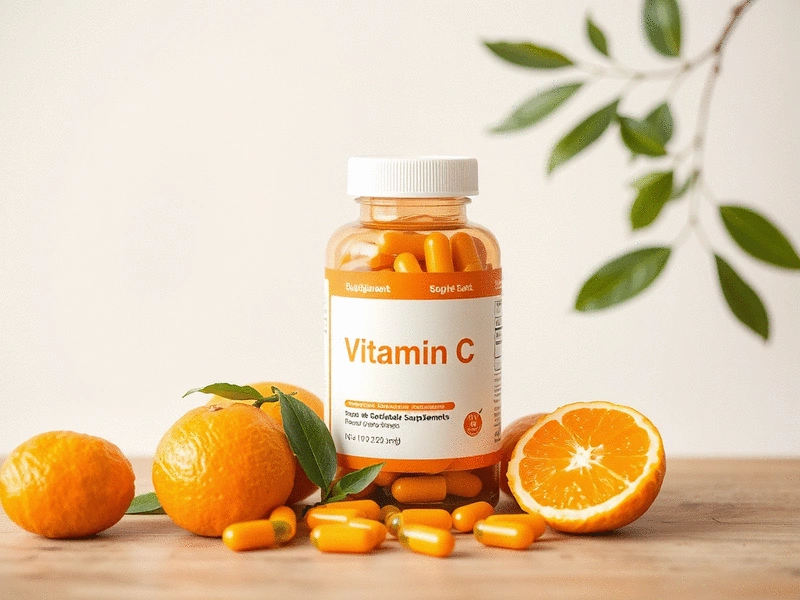
Assortment of Vitamin C supplements in various forms like tablets, gummies, and powders

Incorporating adequate Vitamin C into your diet can help ensure your body functions optimally. The National Institutes of Health (NIH) Office of Dietary Supplements provides comprehensive information on the recommended daily allowances and benefits of this essential vitamin. Isn’t it amazing how such a small nutrient can play such a big role?

What Are Vitamin C Supplements?

Vitamin C supplements are products designed to deliver this essential nutrient in a concentrated form. They come in various forms, including tablets, capsules, powders, and liquids. Many people choose to take these supplements to meet their daily requirements, especially if their diets lack sufficient fruits and vegetables. Think about it—are you getting enough Vitamin C from your meals? If not, supplements might be the way to go!

  • Tablets
  • Chewable gummies
  • Powdered mixes
  • Liquid drops

By choosing the right form for you, you can easily incorporate Vitamin C into your daily routine!

Understanding Ascorbic Acid: The Active Ingredient in Vitamin C

At the heart of Vitamin C supplements lies ascorbic acid, the active ingredient that provides the benefits associated with this nutrient. Ascorbic acid has been studied extensively and is known for its effectiveness in boosting the immune system and promoting skin health. It’s vital to know that not all Vitamin C supplements are created equal—some may contain additional ingredients or formulations that enhance absorption and effectiveness.

  • Ascorbic acid: The purest form of Vitamin C
  • Sodium ascorbate: A buffered form, gentler on the stomach
  • Calcium ascorbate: Combines Vitamin C with calcium for added benefits

Choosing the right form can make a difference in how your body utilizes this nutrient. Research published in PubMed provides further insights into the bioavailability of different forms of vitamin C. At Boost Your Immune System, we’re dedicated to providing you with the information you need to make informed choices about your health!

Pro Tip

To maximize the benefits of Vitamin C supplementation, consider pairing it with foods rich in bioflavonoids, such as citrus fruits, berries, and leafy greens. These compounds not only enhance the absorption of Vitamin C but also provide additional antioxidant support for your immune system!

Key Takeaways on Vitamin C Supplements

As we wrap up our exploration of vitamin C supplements, it's essential to highlight the key takeaways regarding their dosage, benefits, and safety. Vitamin C plays a vital role in supporting our immune system, acting as a powerful antioxidant, and promoting overall wellness. When considering supplementation, it's crucial to follow the recommended dosage guidelines to reap the maximum benefits without risking adverse effects.

To summarize, here are the primary points to remember:

  • The Recommended Daily Allowance (RDA) varies by age, gender, and life stage, so personalizing your intake is essential.
  • Vitamin C supplements can enhance your immune defenses, support collagen production for skin health, and aid in iron absorption.
  • While vitamin C is generally safe, excessive intake can lead to gastrointestinal issues and, in rare cases, kidney stones.

Understanding these aspects can empower you to make informed decisions about incorporating vitamin C into your health routine. At Boost Your Immune System, we believe that knowledge is the first step towards better health!

Consultation with Healthcare Providers: A Crucial Step

Before starting any new supplement, I always recommend consulting with your healthcare provider. Each individual’s health profile is unique, and a professional can help you determine the right dosage and form of vitamin C that aligns with your health needs. This is especially important for those with pre-existing conditions or those taking medications that may interact with vitamin C supplements.

When discussing vitamin C with your healthcare provider, consider addressing the following:

  • Your current health status and any chronic conditions
  • Potential interactions with other medications you may be taking
  • Your dietary habits and any natural sources of vitamin C you consume regularly
Healthcare provider consulting with a patient about vitamin C supplements, with medical charts visible

By engaging in an open dialogue with your healthcare provider, you can ensure that your approach to vitamin C supplementation is both safe and effective.

Engaging with Your Vitamin C Journey

Frequently Asked Questions About Vitamin C Supplements

As you embark on your vitamin C journey, you might have questions about the best practices for supplementation. Here, I address some common queries that many individuals have:

  • What is the best time of day to take vitamin C?
  • Can I take vitamin C with food, and does it affect absorption?
  • What are the differences between synthetic and natural vitamin C?

These questions often pop up, and finding the answers can help you make the most of your vitamin C experience!

FAQs about Vitamin C Supplements

What is Vitamin C and why is it important?
Vitamin C, or ascorbic acid, is a vital nutrient and powerful antioxidant that supports immune function, aids in collagen production for healthy skin, and enhances iron absorption.
What are the common forms of Vitamin C supplements?
Vitamin C supplements come in various forms, including tablets, chewable gummies, powdered mixes, and liquid drops, catering to different preferences and needs.
Is ascorbic acid the only effective form of Vitamin C?
Ascorbic acid is the purest and most studied form, but other forms like sodium ascorbate (buffered and gentler on the stomach) and calcium ascorbate (combining Vitamin C with calcium) are also effective and may be preferred by some individuals.
What is the recommended daily allowance (RDA) for Vitamin C?
The RDA for Vitamin C varies by age, gender, and life stage. It's important to consult with a healthcare provider to determine the personalized intake that aligns with your specific health needs.
Can I get enough Vitamin C from my diet alone?
While a diet rich in fruits and vegetables can provide sufficient Vitamin C, many individuals may not consume enough, making supplements a popular option to meet daily requirements. Harvard T.H. Chan School of Public Health's Nutrition Source offers excellent guidance on dietary sources of Vitamin C.
Are there any risks associated with taking too much Vitamin C?
While generally safe, excessive intake of Vitamin C can lead to gastrointestinal issues such as diarrhea and stomach cramps, and in rare cases, kidney stones. It's crucial to follow recommended dosages.
Should I consult a healthcare provider before starting Vitamin C supplements?
Yes, it is highly recommended to consult with a healthcare provider before starting any new supplement. They can offer personalized guidance based on your health status, existing conditions, and potential interactions with medications.
Can Vitamin C cure the common cold?
While Vitamin C is known to support immune function, it cannot cure the common cold. However, some studies suggest it may help reduce the duration and severity of cold symptoms.

Debunking Vitamin C Myths: Fact vs. Fiction

There’s a lot of misinformation out there regarding vitamin C. Let’s clear up a few myths:

  • Myth: More vitamin C means better immunity. Fact: While vitamin C is crucial, more isn’t always better.
  • Myth: Vitamin C can cure the common cold. Fact: It may reduce the duration and severity, but it’s not a cure.
  • Myth: Only supplements can provide enough vitamin C. Fact: A diet rich in fruits and vegetables can meet your needs!

Understanding these myths can prevent confusion and help you navigate your health journey more effectively.

Share Your Experiences: Community Insights and Testimonials

I’d love to hear your stories about vitamin C! Have you found that it makes a difference in your health? Perhaps you have a favorite way to incorporate it into your diet. Sharing your insights can create a supportive community where we can all learn from one another. Drop your testimonials or experiences in the comments below—let’s empower each other on this journey to boosting our immune systems!

Recap of Key Points

Here is a quick recap of the important points discussed in the article:

  • Vitamin C is a powerful antioxidant that supports immune function, collagen production, and enhances iron absorption.
  • Vitamin C supplements come in various forms including tablets, gummies, powders, and liquids, allowing for easy incorporation into your daily routine.
  • Choosing the right form of Vitamin C, such as ascorbic acid or buffered forms, can affect absorption and effectiveness.
  • The Recommended Daily Allowance (RDA) for Vitamin C varies by age and gender, so personalizing your intake is important.
  • While generally safe, excessive Vitamin C can lead to gastrointestinal issues and, in rare cases, kidney stones.
  • Consulting with healthcare providers before starting any new supplement is crucial for personalized health management.
About !author

Dr. Elara Finch

Dr. Elara Finch is a dedicated health and wellness expert passionate about empowering individuals to strengthen their immune systems through natural and holistic approaches. With extensive training in nutrition and wellness, Dr. Finch combines evidence-based research with practical insights to guide readers toward healthier lifestyles. Through her work, she aims to educate and inspire others to take charge of their health and well-being, helping them navigate seasonal changes with robust immunity.


Popular Posts

Seasonal Tips for Stronger Immunity Seasonal Lifestyle Adjustments to Enhance Immune Function Year-Round What if embracing the natural changes of the seasons could be the key to a stronger immune system? B
Medicinal Mushrooms for Immune Support Comparing Medicinal Mushrooms for Immunity: Benefits and Best Products What if the secret to a stronger immune system lies in your next meal? Discover how adding medicinal
Immune Supplements: Effectiveness Compared Comparing Immune-Boosting Supplements: What Works and What Doesn’t What if the key to a stronger immune system lies in the supplements you choose? Understanding immune
Zinc's Impact on Immune Health The Role of Zinc in Immune Health: What Science Says and How to Supplement What if the key to a stronger immune system lies in a small mineral that many overlook? Zinc plays a