Selecting the Right Immune Supplement
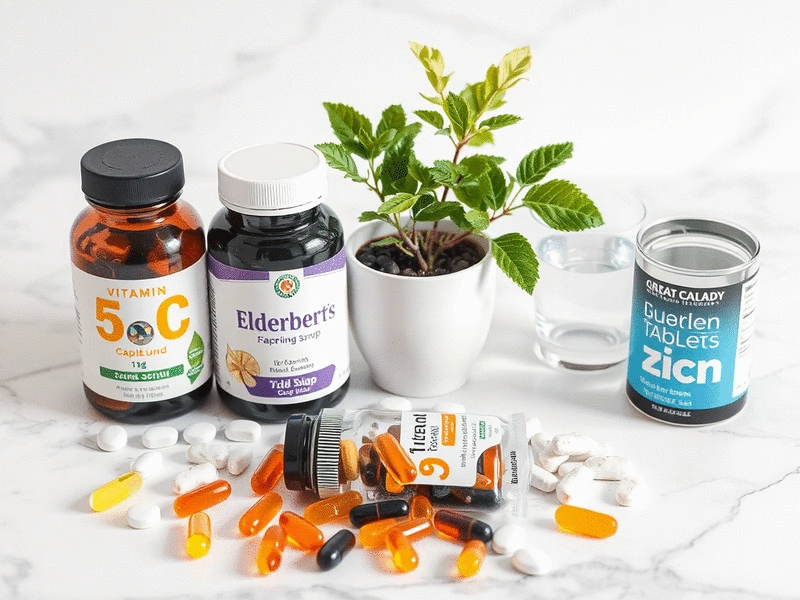
What if the secret to a stronger immune system was hidden in your daily diet? Understanding the right nutrients to boost your immune health can transform your wellness journey. Let's uncover the essentials!
What You Will Learn
- Vitamin C: Essential for white blood cell production and function, helping to fend off infections.
- Vitamin D: Regulates the immune response and enhances pathogen-fighting effects, especially during low sunlight.
- Zinc: Crucial for T-cell development, aiding your body's immune response against pathogens.
- Elderberry: Known for its antiviral properties, it may reduce the severity and duration of colds and flu.
- Probiotics: Support gut health, which is integral to a robust immune system by promoting beneficial bacteria.
- Antioxidants: Protect cells from oxidative stress that can weaken immune function, found in colorful fruits and veggies.
- Evaluating Supplements: Understand nutrient profiles, check for additives, assess value for money, and look for quality assurance in product manufacturing.
Key Nutrients and Quality Factors for Immune Support
Navigating the world of immune support supplements involves understanding key nutrients and evaluating product quality. The visual below highlights essential components for a robust immune system and critical factors for selecting effective supplements.
Key Nutrients for Immune Health
✨
Vitamin C: Antioxidant, supports white blood cells.
☀️
Vitamin D: Modulates immune response, pathogen-fighting.
🛡️
Zinc: Essential for immune cell (T-cell) development.
🌿
Elderberry: Natural antiviral properties, reduces cold/flu duration.
🦠
Probiotics: Boost gut health, crucial for immunity.
🍎
Antioxidants: Combat oxidative stress, protect cells.
Evaluating Supplement Quality
🔍
Nutrient Profiles: Check dosage against recommended allowances.
🚫
Additives: Identify artificial ingredients or allergens.
💰
Value for Money: Balance price with benefits and quality.
✅
Quality Assurance: Look for third-party testing/certifications.
Understanding Immune Support: What to Look For in Supplements
When it comes to boosting your immune system, understanding what to look for in supplements can be pivotal. With so many options on the market, it can feel overwhelming to choose the right ones for your health needs. At Boost Your Immune System, I believe that knowledge is power! Let’s explore the key nutrients that play an essential role in supporting our immune health.
Key Nutrients That Boost Your Immune System
There are several nutrients that are particularly effective at enhancing our immune functions. Here are some key players you should consider:
- Vitamin C - Vital for immune defense.
- Vitamin D - Supports overall immune function.
- Zinc - Important for immune cell development.
- Elderberry - Known for its antiviral properties.
- Probiotics - Boost gut health, which is crucial for immunity.
- Antioxidants - Help combat oxidative stress.
Each of these nutrients plays a unique role in maintaining a strong immune system. For instance, vitamin C is particularly important for the growth and function of immune cells, while zinc is essential for the development of T-cells, a type of white blood cell that fights infections.
The Role of Vitamin C in Immune Health
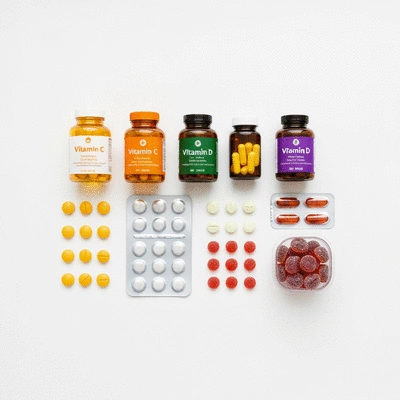
Vitamin C is often heralded as the go-to vitamin for supporting our immune system! It helps stimulate the production of white blood cells, which are crucial for fighting off infections. Regular intake of vitamin C can be beneficial, especially during cold and flu season. So, don’t forget to include plenty of citrus fruits, strawberries, and bell peppers in your diet!
Benefits of Vitamin D for Immune Function
Did you know that vitamin D is a superstar when it comes to immune health? It modulates the immune response and can enhance the pathogen-fighting effects of monocytes and macrophages. When the sun isn’t shining much, consider taking a vitamin D supplement to maintain optimal levels and support your immune system.
How Zinc Supports Immune Cell Development
Zinc is another crucial nutrient that aids in immune cell development and function. It plays a significant role in the processes that activate T-cells, which are vital for immune responses. Foods like nuts, seeds, and whole grains are excellent sources of zinc—ensure you're getting enough of it!
Exploring the Power of Elderberry and Other Natural Ingredients
Elderberry is a wonderful natural ingredient that has gained popularity for its immune-boosting properties. Rich in antioxidants, elderberry can help reduce the duration and severity of colds and flu. Other natural ingredients to consider include echinacea and garlic, which also support immune health. Incorporating these into your daily routine can provide additional support!
Harnessing the Benefits of Probiotics for Immune Support
The gut is often referred to as the “second brain,” and for good reason! A healthy gut microbiome is essential for a robust immune system. Probiotics help maintain this balance by promoting the growth of beneficial bacteria. Foods like yogurt, kefir, and fermented vegetables are great sources of probiotics!
Understanding the Role of Antioxidants in Immune Function
Antioxidants protect our cells from damage caused by free radicals, which can weaken our immune system. Foods rich in antioxidants, such as berries, dark chocolate, and leafy greens, are excellent additions to your diet. By including a variety of colorful foods, you ensure that your body gets a range of nutrients necessary for optimal immune function!
Evaluating the Quality of Immune System Supplements
Once you've identified the key nutrients, it’s essential to evaluate the quality of the immune system supplements you consider. Here are some tips to help guide your choices:
- Read the Nutrient Profiles: Understand what each supplement contains.
- Check for Additives: Identify any artificial ingredients or allergens.
- Assess Value for Money: Compare price against the benefits offered.
- Look for Quality Assurance: Ensure the products meet manufacturing standards.
Being informed about what you’re putting into your body is vital for your health journey. At Boost Your Immune System, we encourage you to do thorough research before making supplement decisions. Remember, not all supplements are created equal, and quality matters!

Reading Nutrient Profiles: What to Understand
When examining nutrient profiles, look for the dosage of each ingredient and whether it meets recommended daily allowances. This information will help you determine if the supplement will effectively support your immune health.
Identifying Additives and Dietary Restrictions
Pay attention to any non-nutritive additives, fillers, or allergens that might be present in the supplement. Understanding your dietary restrictions and ensuring that the product aligns with them is key to making safe choices.
Assessing Value for Money: Price vs. Benefits
Evaluate whether the price of the supplement reflects its benefits. Sometimes, a higher price can indicate better quality or more effective ingredients, but it’s important to balance that against your budget!
Quality Assurance and Manufacturing Standards in Supplement Production
Always look for supplements that have undergone third-party testing or have certifications from trusted organizations. This ensures that what you’re taking is safe and effective!
Pro Tip
Did you know? When choosing immune support supplements, look for those that contain a combination of essential nutrients like Vitamin C, D, and Zinc to maximize efficacy. Additionally, consider supplements that include probiotics to support gut health, as a healthy gut microbiome is vital for a robust immune response!
Frequently Asked Questions About Immune Support Supplements
What are the most important nutrients for immune health?
The most important nutrients for immune health include Vitamin C, Vitamin D, Zinc, Elderberry, Probiotics, and Antioxidants. Each plays a distinct role in supporting and strengthening your immune system.
How does Vitamin C support the immune system?
Vitamin C is vital for immune defense because it stimulates the production and function of white blood cells, which are crucial for fighting off infections. It also acts as a powerful antioxidant.
Why is Vitamin D considered a "superstar" for immune function?
Vitamin D modulates the immune response and enhances the pathogen-fighting effects of monocytes and macrophages. It's especially important to consider supplementation during months with low sunlight to maintain optimal levels.
What role does Zinc play in immune cell development?
Zinc is crucial for immune cell development and function, particularly for activating T-cells, which are a type of white blood cell essential for immune responses against infections.
Are there natural ingredients besides vitamins and minerals that boost immunity?
Yes, natural ingredients like Elderberry, known for its antiviral properties, and Probiotics, which support gut health vital for immunity, are excellent for boosting immune function. Antioxidants found in various fruits and vegetables also protect immune cells.
What should I look for when evaluating the quality of immune supplements?
When evaluating immune supplements, you should check their nutrient profiles for appropriate dosages, identify any artificial additives or allergens, assess their value for money, and look for quality assurance through third-party testing or certifications to ensure safety and effectiveness. You can also consult resources like the Office of Dietary Supplements for guidance on immune supplements.
Summarizing Key Takeaways for Choosing Immune System Supplements
As we explore the world of immune system supplements, it's vital to remember the key nutrients that play a significant role in enhancing our immune health. From vitamins to minerals, each nutrient has its unique benefits, which can help us maintain optimal health.
Here’s a quick recap of the essential nutrients we've discussed:
- Vitamin C: A powerful antioxidant that supports white blood cell function.
- Vitamin D: Crucial for immune response and has been linked to respiratory health.
- Zinc: Essential for immune cell development and function.
- Elderberry: A natural ingredient known for its antiviral properties.
- Probiotics: Beneficial bacteria that support gut health, thereby enhancing immunity.
These nutrients can be found in various supplement forms, and it's important to choose those that align with your health goals.
Final Thoughts on Making Informed Supplement Choices
Ultimately, making informed choices about immune supplements requires thorough research and an understanding of your body's unique needs. As a health and wellness expert, I encourage you to consider not just the ingredients but also the quality and formulation of the products you choose. It's essential to look for supplements that are backed by scientific research and have positive reviews from other users.
At Boost Your Immune System, we strive to empower you with the knowledge to navigate this journey. By selecting high-quality, evidence-based supplements, you enhance your chances of achieving better health outcomes. Remember, it’s about finding the right balance that works for you!
Encouragement to Take Action
Consider Your Unique Health Needs Today
Now is the perfect time to reflect on your health and consider how immune support supplements can play a role. What specific health challenges do you face? Are there areas of your well-being that you want to improve? Understanding your unique needs can guide you in choosing the right supplements.
Make a list of your health goals and any current concerns you might have. This will be your roadmap to finding the best solutions for your immune health!
Next Steps: Research and Choose Wisely for Better Immune Health
As you embark on this journey, take the time to research various brands and their offerings. Look for user testimonials and clinical studies that support the effectiveness of their products. Consider reaching out to healthcare professionals for personalized recommendations tailored to your lifestyle.
Remember, your health is your wealth! Together, we can take proactive steps towards enhancing your immune system and embracing a healthier future. Let's get started today!
Recap of Key Points
Here is a quick recap of the important points discussed in the article:
- Vitamin C: Essential for immune defense and white blood cell function; include citrus fruits in your diet.
- Vitamin D: Supports overall immune function; consider supplements during low sunlight months.
- Zinc: Crucial for immune cell development; found in nuts, seeds, and whole grains.
- Elderberry: Known for its antiviral properties; can help reduce cold and flu duration.
- Probiotics: Important for gut health, which is vital for immunity; include yogurt and fermented foods.
- Antioxidants: Protect cells from oxidative stress; consume a variety of colorful fruits and vegetables.

Dr. Elara Finch
Dr. Elara Finch is a dedicated health and wellness expert passionate about empowering individuals to strengthen their immune systems through natural and holistic approaches. With extensive training in nutrition and wellness, Dr. Finch combines evidence-based research with practical insights to guide readers toward healthier lifestyles. Through her work, she aims to educate and inspire others to take charge of their health and well-being, helping them navigate seasonal changes with robust immunity.
Popular Posts
Safe Online Sources for Immune Supplements
![Where to Buy High-Quality Immune Support Supplements Online Safely]() Have you ever considered how essential your immune system is to your overall health? With the rise o
Have you ever considered how essential your immune system is to your overall health? With the rise o
 Have you ever considered how essential your immune system is to your overall health? With the rise o
Tools for Immune Health Tracking
![Navigating Immune Health Resources: Best Apps and Tools for Lifestyle Tracking]() What if a few simple lifestyle changes could significantly boost your immune health? Understanding t
What if a few simple lifestyle changes could significantly boost your immune health? Understanding t
 What if a few simple lifestyle changes could significantly boost your immune health? Understanding t
Budget-Friendly Immune-Boosting Food Tips
![How to Shop and Choose Immune-Boosting Foods on a Budget]() What if a simple change in your diet could strengthen your body's defenses against illness? The conn
What if a simple change in your diet could strengthen your body's defenses against illness? The conn
 What if a simple change in your diet could strengthen your body's defenses against illness? The conn
Personalize Your Immune Health Naturally
![Using Functional Medicine Approaches to Personalize Your Immune-Boosting Lifestyle]() What if you could boost your immune system not just by treating symptoms but by addressing the root
What if you could boost your immune system not just by treating symptoms but by addressing the root
 What if you could boost your immune system not just by treating symptoms but by addressing the root
