15 Science-Backed Immune-Boosting Foods
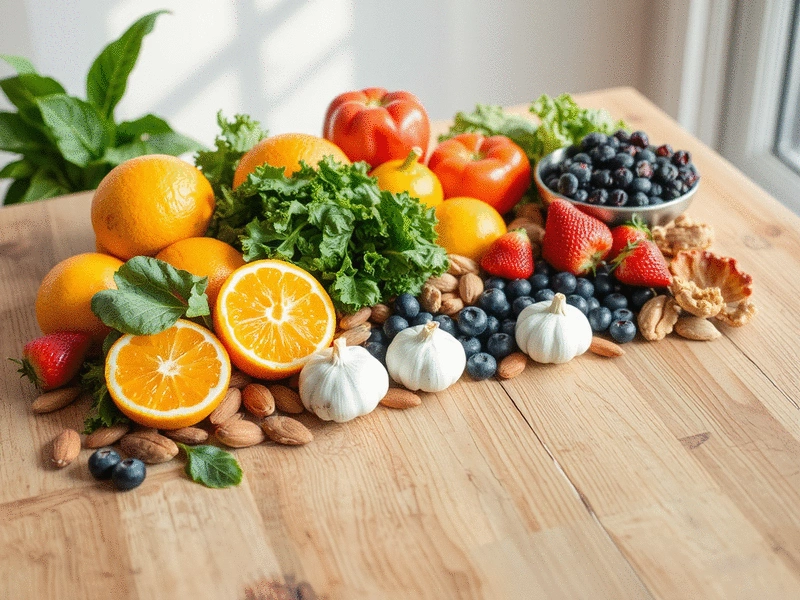
What if the secret to a resilient immune system lies on your plate? As you explore the connection between nutrition and immunity, consider the impactful role your food choices play in fortifying your body's defenses.
What You Will Learn
- The immune system acts as a shield against pathogens, emphasizing the importance of nutritional choices in overall health.
- Key nutrients like Vitamin C, D, Zinc, and Probiotics are essential for optimal immune function.
- Incorporating immune-boosting foods such as citrus fruits, fatty fish, berries, and leafy greens can significantly enhance your defenses.
- A balanced diet, including a variety of fruits, vegetables, whole grains, healthy fats, and proteins, is crucial for long-term immunity.
- Lifestyle factors such as regular exercise, stress management, and adequate sleep also play a vital role in supporting immune health.
Key Nutrients for Immune Function & Immune-Boosting Foods
Delve into the essential nutrients vital for a strong immune system and discover delicious foods that naturally boost your body's defenses. Below, we highlight key categories and their benefits.
Essential Nutrients for Immune Function
- ✓ Vitamin C: Boosts antibody production.
- ✓ Vitamin D: Enhances pathogen-fighting effects.
- ✓ Zinc: Vital for immune cell development.
- ✓ Probiotics: Support gut health, linked to immunity.
Immune-Boosting Foods to Include
- ★ Citrus Fruits: High in Vitamin C (e.g., oranges, lemons).
- ★ Fatty Fish: Rich in Omega-3s (e.g., salmon, mackerel).
- ★ Berries: Antioxidant-rich (e.g., blueberries, strawberries).
- ★ Cruciferous Veggies: Vitamins & minerals (e.g., broccoli, kale).
- ★ Nuts & Seeds: Zinc & Vitamin E (e.g., almonds, sunflower seeds).
- ★ Garlic & Turmeric: Anti-inflammatory properties.
Understanding the Role of Nutrition in Immune Health
Have you ever wondered how what you eat impacts your body's defenses? At Boost Your Immune System, we understand that nutrition plays a crucial role in keeping our immune systems strong and resilient. A well-nourished body is better equipped to fight off infections and diseases, making it vital to focus on our food choices! The CDC also emphasizes the importance of nutrition in enhancing immunity.
The immune system is our body's defense mechanism against harmful invaders like viruses and bacteria. It acts as a shield, identifying and neutralizing harmful invaders. When your immune system functions well, you're less likely to get sick and can recover more quickly when you do. Isn't that a comforting thought?
What is the Immune System and Why is it Important?
The immune system is a network of cells, tissues, and organs that work together to defend the body from pathogens. It acts as a shield, identifying and neutralizing harmful invaders. When your immune system functions well, you're less likely to get sick and can recover more quickly when you do. Isn't that a comforting thought?
Understanding this system helps us appreciate how our daily choices can impact our health. By focusing on nutrient-rich foods, we can strengthen our defenses and promote wellness.
Key Nutrients Essential for Immune Functionality
Certain nutrients are particularly important for optimal immune function. Here are some key players that we should all strive to include in our diets:
- Vitamin C: Boosts the production of antibodies and strengthens immune response.
- Vitamin D: Enhances pathogen-fighting effects of monocytes and macrophages.
- Zinc: A vital mineral for immune cell development and function.
- Probiotics: Support gut health, which is closely linked to immune function.
Incorporating these nutrients into your meals can pave the way for a robust immune system. Remember, small dietary changes can lead to significant health improvements over time!
Immune-Boosting Foods Backed by Science
Let's dive into some delicious foods that can bolster your immunity. Including these items in your daily meals is not only beneficial but also enjoyable!
Citrus Fruits: The Vitamin C Powerhouses
We often hear about the benefits of citrus fruits for immune health, and for good reason! These vibrant fruits are known for their high vitamin C content, a vital nutrient for our immune system.
How Vitamin C Enhances Immune Response
Vitamin C is essential because it helps stimulate the production of white blood cells, which are crucial for fighting infections. When we consume citrus fruits like oranges, grapefruits, and lemons, we're giving our body an immune boost that can help ward off illness.
Fatty Fish: Omega-3 Fatty Acids for Inflammation Reduction
Another fantastic food group for immunity is fatty fish, which are rich in omega-3 fatty acids. Omega-3s play a significant role in reducing inflammation and enhancing the immune response.
The Science Behind Omega-3s and Immune Function
Studies show that omega-3 fatty acids can help regulate the function of immune cells. Incorporating fish like salmon, mackerel, and sardines into your diet can lead to a stronger, more resilient immune system. Research published in Food Science & Nutrition provides further insights into the role of diet in modulating immune responses.
Berries: Antioxidant-Rich and Immune Supportive
Berries are another group of foods that deserve a spot in your diet. They are packed with antioxidants, which help protect our cells from damage and support immune function.
Exploring Different Types of Berries and Their Benefits
Blueberries, strawberries, and blackberries are all excellent choices. Each type offers unique benefits, contributing to a well-rounded approach to immunity.
Blueberries: A Superfood for Immune Health
Particularly, blueberries are often hailed as a superfood! They are rich in vitamin C and antioxidants, making them a perfect snack to support your immune health. Incorporating a handful of berries into your morning smoothie or yogurt can yield tasty results!
Cruciferous Vegetables: Nature's Immune Boosters
Don’t forget about cruciferous vegetables like broccoli and Brussels sprouts. These veggies are packed with vitamins and minerals that bolster immunity.
Broccoli, Brussels Sprouts, and Their Nutritional Value
Broccoli is a fantastic source of vitamin C and other nutrients. When steamed or lightly cooked, it retains its nutrients and can be a tasty side dish!
Exploring the Benefits of Kale and Cauliflower for Immunity
Kale and cauliflower also hold their ground in the nutrient department. They contain compounds that may strengthen the immune system and provide anti-inflammatory benefits.
Nuts and Seeds: Nutrient-Dense Sources for Immune Health
Nuts and seeds are small but mighty when it comes to immune support. They are rich in essential nutrients, making them an ideal snack choice.
Benefits of Zinc and Vitamin E in Nuts and Seeds
For instance, almonds and sunflower seeds provide zinc and vitamin E, both of which are critical for immune health. A small handful of these can make a difference!
Almonds and Walnuts: Healthy Fats for Immune Support
Incorporating a variety of nuts into your diet can enhance your intake of healthy fats and vital nutrients, supporting your immune system effectively.
Leafy Greens: The Role of Vitamins A and K in Immunity
Leafy greens like spinach and kale are nutritional powerhouses! They are loaded with vitamins A and K, which play a vital role in maintaining a healthy immune system.
How Spinach and Kale Support Immune Function
Not only do these greens provide essential vitamins, but they also contain antioxidants that help reduce inflammation and protect your body from threats.
Garlic and Turmeric: Spices with Immune-Boosting Properties
Garlic and turmeric are two spices that I love for their immune-boosting properties! They can be easily added to various dishes for added flavor and health benefits.
Debunking Myths About Garlic and Turmeric Supplements
There are myths surrounding these spices, especially in supplement form. However, incorporating them into your meals is the best approach to harness their protective qualities!
Ginger: An Anti-Inflammatory Spice Benefiting Immune Health
Don’t forget ginger! This anti-inflammatory spice is another great addition to your diet. It can be used in teas, stir-fries, or even smoothies for a zesty kick!
Probiotics: Gut Health and Its Connection to Immunity
Probiotics are another essential component of a healthy immune system. They help maintain a balanced gut microbiome, which is crucial for effective immune function.
Sources of Probiotics and Their Role in Immune Support
Foods like yogurt, kefir, and fermented vegetables are fantastic sources of probiotics. Including these in your diet can enhance your gut health and, in turn, support your immune system.
Kefir and Yogurt: Fermented Foods That Boost Immunity
Kefir and yogurt not only provide probiotics but also deliver additional vitamins and minerals, making them double-duty foods for your health!
Additional Immune-Boosting Foods You Should Know About
There are even more foods that can help support your immune health! Here are a few additional options worth considering:
- Sweet Potatoes and Carrots: Rich in beta-carotene, which is converted to vitamin A in the body.
- Red Bell Peppers and Tomatoes: High in vitamin C and antioxidants for enhanced immune support.
- Bone Broth and Mushrooms: Provides essential nutrients that nourish the immune system.
Including these foods in your meals can create a diverse and nutrient-rich diet that truly supports your immune function. Remember, it’s about making choices that work for you!
Pro Tip
Did you know that incorporating a variety of colors in your diet not only makes your meals more appealing but also ensures a wider range of nutrients? Aim for a "rainbow plate" filled with fruits and vegetables to maximize your immune-boosting potential!
Frequently Asked Questions About Immune-Boosting Nutrition
What is the primary role of nutrition in supporting the immune system?
Nutrition plays a crucial role by providing the essential vitamins, minerals, and other compounds that the immune system needs to function effectively, produce antibodies, and fight off pathogens. A well-nourished body is better equipped to defend against infections and recover quickly.
Which key nutrients are most important for immune function?
Key nutrients for optimal immune function include Vitamin C (for antibody production), Vitamin D (to enhance pathogen-fighting effects), Zinc (vital for immune cell development), and Probiotics (to support gut health, which is closely linked to immunity).
What are some examples of immune-boosting foods?
Immune-boosting foods include citrus fruits (rich in Vitamin C), fatty fish (high in Omega-3s), berries (antioxidant-rich), cruciferous vegetables like broccoli and kale, nuts and seeds (providing Zinc and Vitamin E), garlic, turmeric, ginger, and probiotic-rich foods like yogurt and kefir.
How does a balanced diet contribute to long-term immunity?
A balanced diet, rich in diverse fruits, vegetables, whole grains, lean proteins, and healthy fats, ensures a consistent supply of all necessary nutrients. This comprehensive nutritional profile helps maintain the immune system's function and resilience over the long term, reducing the risk of illness.
Besides diet, what lifestyle factors also support immune health?
In addition to nutrition, important lifestyle factors that support immune health include regular exercise (at least 30 minutes most days), effective stress management techniques, adequate sleep (7-9 hours per night), and avoiding or limiting smoking and excessive alcohol consumption.
Summarizing the Impact of Nutrition on Immune Health
It’s clear that nutrition plays a pivotal role in maintaining a robust immune system. A balanced diet not only strengthens your immune defenses but also contributes to overall health and well-being. When we think about our long-term health, it's crucial to focus on the foods we consume daily. By incorporating a variety of nutrient-rich foods, we can help our bodies fight off infections and illnesses more effectively! Emerging research, such as that published in PubMed, continues to highlight the profound impact of diet on immune function.
Remember, it’s not just about individual foods but how they work together to create a comprehensive nutritional profile. A diet rich in vitamins, minerals, and antioxidants supports the immune system’s function and resilience over time. So, what should you focus on? Let’s explore some key aspects!
- Incorporate a variety of fruits and vegetables: Aim for a colorful plate to ensure a wide range of nutrients.
- Include healthy fats: Sources like fatty fish, nuts, and seeds are vital for reducing inflammation.
- Stay hydrated: Water supports every function in the body, including immune processes.
- Limit processed foods: These can negatively impact your gut health and, in turn, your immune function.
At Boost Your Immune System, we believe that simple, practical changes to your diet can yield powerful results for your immunity. Focus on whole foods, and remember to consult with a nutrition expert if you have specific dietary needs!
The Importance of a Balanced Diet for Long-Term Immunity
A balanced diet is more than just a collection of healthy foods; it’s a lifestyle choice that promotes longevity and resilience. By focusing on a variety of food groups, you ensure that your body receives all the essential nutrients it needs to function optimally. This commitment to nutrition can significantly impact your immune health over time.
Let’s break down the components of a balanced diet:
- Fruits and Vegetables: Aim for at least 5 servings a day.
- Whole Grains: Choose brown rice, quinoa, and whole grain breads.
- Lean Proteins: Incorporate sources like chicken, fish, legumes, and nuts.
- Healthy Fats: Focus on avocados, olive oil, and fatty fish.
By understanding and applying these fundamental aspects, you pave the way to a healthier immune system. Remember, it’s about making sustainable choices that fit your lifestyle!
Encouraging Lifestyle Changes for Improved Immune Function
In addition to nutrition, lifestyle changes can have a significant impact on your immune health. Incorporating daily habits that support immunity can be both simple and enjoyable. You’re not alone in this journey! Here are a few changes you can make:
- Regular Exercise: Aim for at least 30 minutes of activity most days of the week.
- Stress Management: Practice mindfulness, yoga, or other relaxation techniques.
- Adequate Sleep: Strive for 7-9 hours of quality sleep per night.
- Avoid Smoking and Limit Alcohol: These can weaken your immune system.
Making these changes can lead to a happier and healthier you! At Boost Your Immune System, we encourage you to take small steps each day toward improving your lifestyle. Every little bit counts!
Recap of Key Points
Here is a quick recap of the important points discussed in the article:
- Focus on Nutrient-Rich Foods: Incorporate a variety of fruits and vegetables to strengthen your immune system.
- Key Nutrients: Include Vitamin C, Vitamin D, Zinc, and Probiotics in your diet for optimal immune functionality.
- Immune-Boosting Foods: Citrus fruits, fatty fish, berries, nuts, seeds, and garlic are excellent choices to support immunity.
- Healthy Lifestyle Changes: Regular exercise, stress management, and adequate sleep are essential for maintaining immune health.
- Stay Hydrated: Proper hydration is crucial for effective immune processes.
- Limit Processed Foods: Reducing processed foods can positively influence gut health and immune function.

Dr. Elara Finch
Dr. Elara Finch is a dedicated health and wellness expert passionate about empowering individuals to strengthen their immune systems through natural and holistic approaches. With extensive training in nutrition and wellness, Dr. Finch combines evidence-based research with practical insights to guide readers toward healthier lifestyles. Through her work, she aims to educate and inspire others to take charge of their health and well-being, helping them navigate seasonal changes with robust immunity.
Popular Posts
Safe Online Sources for Immune Supplements
![Where to Buy High-Quality Immune Support Supplements Online Safely]() Have you ever considered how essential your immune system is to your overall health? With the rise o
Have you ever considered how essential your immune system is to your overall health? With the rise o
 Have you ever considered how essential your immune system is to your overall health? With the rise o
Tools for Immune Health Tracking
![Navigating Immune Health Resources: Best Apps and Tools for Lifestyle Tracking]() What if a few simple lifestyle changes could significantly boost your immune health? Understanding t
What if a few simple lifestyle changes could significantly boost your immune health? Understanding t
 What if a few simple lifestyle changes could significantly boost your immune health? Understanding t
Budget-Friendly Immune-Boosting Food Tips
![How to Shop and Choose Immune-Boosting Foods on a Budget]() What if a simple change in your diet could strengthen your body's defenses against illness? The conn
What if a simple change in your diet could strengthen your body's defenses against illness? The conn
 What if a simple change in your diet could strengthen your body's defenses against illness? The conn
Personalize Your Immune Health Naturally
![Using Functional Medicine Approaches to Personalize Your Immune-Boosting Lifestyle]() What if you could boost your immune system not just by treating symptoms but by addressing the root
What if you could boost your immune system not just by treating symptoms but by addressing the root
 What if you could boost your immune system not just by treating symptoms but by addressing the root
