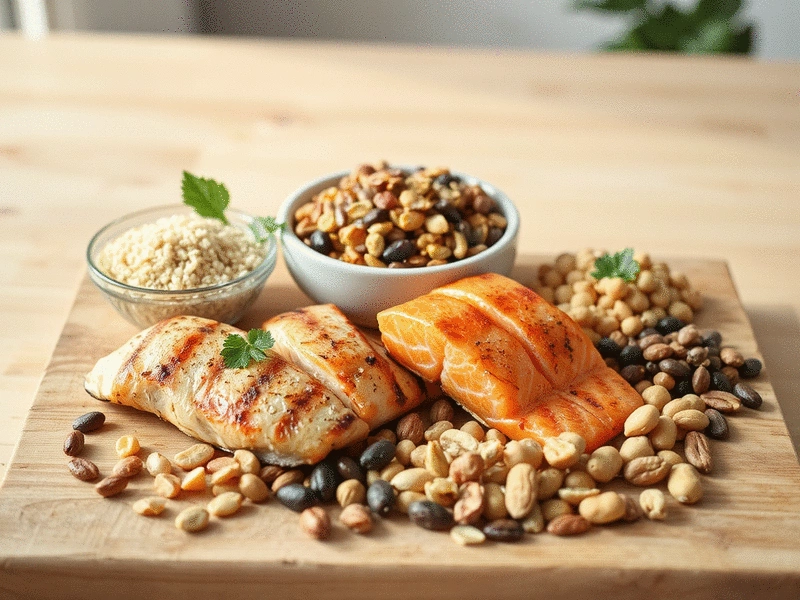
What if your plate could be your best defense against illness? The food you choose not only nourishes your body but also plays a crucial role in fortifying your immune system. Let's explore how protein and other nutrients work together to enhance your health.
What You Will Learn
Protein's Role: Adequate protein intake supports the production of antibodies and immune cells essential for fighting infections.
Micronutrient Synergy: Vitamins like C, D, and minerals such as zinc work with protein to enhance immune responses.
Amino Acids Matter: Essential amino acids, especially glutamine and arginine, are critical for a well-functioning immune system.
Balanced Meals: Combine protein sources, whole grains, and colorful fruits and vegetables for optimal health benefits.
The Pillars of Immune Health: Protein, Micronutrients, and Amino Acids
Nourishing your body with the right components is crucial for a thriving immune system. This visual highlights the key elements discussed in the article:
Protein's Immune Role
✓Antibody Production: Critical for neutralizing pathogens.
✓Cellular Repair: Ensures optimal immune system function.
+Zinc: Vital for immune cell function and protein synthesis.
Work synergistically with protein to boost defenses.
Amino Acids' Foundation
♦Glutamine: Maintains gut lining integrity.
♦Arginine: Supports nitric oxide production.
♦Essential Amino Acids: Obtained through diet for immune health.
Building blocks of protein, crucial for immune resilience.
Creating Balanced Meals
★Protein Source: Chicken, fish, tofu, beans.
★Whole Grains: Quinoa, brown rice, whole grain pasta.
★Colorful Vegetables: Spinach, bell peppers, carrots.
★Healthy Fats: Avocados, nuts, olive oil.
A framework for immune-supporting dietary choices.
Understanding the Connection Between Protein and Immune Function
Have you ever considered how protein plays a vital role in supporting your immune system? It's true! Protein is not just about building muscles; it's also crucial for keeping our immune defenses strong and resilient. By understanding the connection between protein and immune function, we can make better dietary choices to enhance our overall health.
When we consume adequate protein, our bodies produce antibodies and immune cells that are essential for fighting off infections. Research, such as that published in PMC NCBI, indicates that a diet rich in high-quality protein can significantly bolster immune responses, allowing us to stay healthy and vibrant. Let’s explore a bit deeper into how protein supports our immune health.
How Protein Supports Immune Health
Protein is made up of building blocks called amino acids, which are vital for various bodily functions, including immune responses. To illustrate the importance of protein for immune health, consider the following points:
Antibody Production: Proteins help produce antibodies, which are critical in identifying and neutralizing pathogens.
Cellular Repair: Protein aids in the repair of damaged tissues and cells, ensuring our immune system functions optimally.
Hormonal Balance: Certain proteins help regulate hormones that influence immune activity, contributing to better immune responses.
By incorporating a variety of protein sources into your diet, you can enhance your body’s defense mechanisms! This variety ensures that you receive a broad spectrum of amino acids necessary for optimal immune function.
The Role of Micronutrients in Immune Response
While protein is essential, it works best in conjunction with micronutrients—vitamins and minerals that support immune health. For instance, vitamin C, vitamin D, and zinc are all important players in immune function. Here’s how micronutrients complement protein:
Vitamin C: Helps stimulate the production of white blood cells, which are crucial for immune defense.
Vitamin D: Modulates the immune system and enhances the pathogen-fighting effects of monocytes and macrophages.
Zinc: Is vital for immune cell function and the overall immune response, aiding in protein synthesis and cell division.
Including a range of colorful fruits and vegetables alongside protein sources can help provide these essential micronutrients, creating a powerful synergy for immune support.
The Importance of Amino Acids for Immune System Function
Amino acids are the building blocks of protein, and they play a fundamental role in immune system function. Some amino acids, such as glutamine and arginine, are crucial during times of stress or illness. The Food Science & Nutrition journal, through research like that found on Wiley Online Library, highlights the significant role of amino acids in supporting robust immune health. Key points to remember include:
Glutamine: Helps maintain the integrity of the gut lining, preventing harmful bacteria from entering the bloodstream.
Arginine: Supports the production of nitric oxide, which enhances circulation and aids immune cell function.
Essential Amino Acids: These must be obtained through diet, as they cannot be produced by the body and are vital for immune health.
By focusing on a balanced intake of amino acids, you can enhance your immune resilience. Remember, it’s about nourishing your body with the right components to keep your immune system thriving!
Pro Tip
Did you know? Incorporating a variety of protein sources not only enhances your immune health but also keeps your meals exciting! Try mixing animal-based proteins like chicken or fish with plant-based options such as lentils and quinoa. This ensures you get a broad spectrum of amino acids and nutrients necessary for optimal immune function.
Practical Tips for Enhancing Your Diet for Immune Support
When it comes to boosting your immune system, the right diet can make all the difference. It’s essential to focus on meals that are rich in protein and other vital nutrients. Here, I’ll share some practical tips that can help you create balanced meals to support your health.
First, think about the types of foods you can incorporate into your diet. A well-rounded meal should include a source of protein, healthy fats, and a variety of colorful fruits and vegetables. This not only provides essential nutrients but also ensures that your body can optimize its immune function.
Creating Balanced Meals Rich in Protein and Nutrients
To make the most of your meals, aim for a combination of high-quality protein sources and nutrient-dense foods. Here’s a simple framework to get you started:
Choose a protein source: Include animal-based options like chicken, fish, or eggs, or go for plant-based choices like beans, lentils, or tofu.
Add whole grains: Quinoa, brown rice, and whole grain pasta provide essential fiber that aids digestion.
Include colorful vegetables: Think about incorporating spinach, bell peppers, and carrots for added vitamins and minerals.
Incorporate healthy fats: Avocados, nuts, and olive oil not only enhance flavor but also promote overall health.
This balanced approach will help you create meals that support your immune health. Remember, variety is key! Mixing up your ingredients can keep meals exciting while ensuring you get a wide range of nutrients.
Sample Meal Plans and Recipes to Boost Immunity
Next, let’s dive into some sample meal plans that are easy to prepare and packed with ingredients that can enhance your immunity. Here’s a quick overview of what a day might look like:
Breakfast: Scrambled eggs with spinach and whole grain toast, topped with avocado.
Lunch: Quinoa salad with black beans, cherry tomatoes, and a squeeze of lime.
Snack: Greek yogurt with honey and a handful of mixed berries.
Dinner: Baked salmon with steamed broccoli and sweet potato.
These meal ideas are not only nutritious but also delicious! I find that preparing meals in advance can help keep me on track. Consider making a batch of quinoa or roasting a variety of vegetables to use throughout the week.
Key Takeaways and Next Steps for Immune Health
Now that you have some practical tips for enhancing your diet, let’s discuss the next steps you can take to further support your immune system.
Understanding Your Unique Nutritional Needs
Everyone’s nutritional needs are different, so it’s important to assess what works best for you. Consider factors like age, activity level, and any health conditions you might have. By tailoring your approach, you can optimize your immune health.
Consulting with Health Professionals for Personalized Guidance
Don’t hesitate to reach out to a registered dietitian or health professional for personalized advice. Research from sources like PMC NCBI emphasizes the benefits of personalized nutritional planning. At Boost Your Immune System, we believe in empowering individuals with knowledge—so you can feel confident in your dietary choices!
Considering Supplements for Enhanced Immune Support
While whole foods should be your primary focus, sometimes supplements can play a role in filling in the gaps. Talk to your healthcare provider about options like vitamin C, D, or probiotics that can further support your immune function.
Remember, integrating these practical tips into your routine is a step toward a healthier you. Together, let’s enhance our immune systems and thrive!
Recap of Key Points
Here is a quick recap of the important points discussed in the article:
Protein is essential for immune function: Adequate protein intake supports the production of antibodies and immune cells.
Micronutrients enhance immune responses: Vitamins C, D, and zinc play critical roles alongside protein in maintaining a robust immune system.
Amino acids are vital for immune health: Essential amino acids must come from diet, while key amino acids like glutamine and arginine support immune functions during stress.
Create balanced meals: Aim to include high-quality protein, whole grains, colorful vegetables, and healthy fats in your diet.
Personalize your nutritional approach: Assess your unique dietary needs and consult health professionals for guidance.
Frequently Asked Questions (FAQs)
Q: How does protein specifically help my immune system?
A: Protein is crucial for producing antibodies and immune cells that fight off infections. It also aids in cellular repair and regulates hormones that influence immune activity.
Q: What micronutrients are most important for immune health, and why?
A: Vitamin C stimulates white blood cell production, Vitamin D modulates the immune system, and Zinc is vital for immune cell function and protein synthesis. These work synergistically with protein to boost defenses.
Q: Why are amino acids like glutamine and arginine important for immunity?
A: Glutamine helps maintain the integrity of the gut lining, crucial for preventing harmful bacteria from entering the bloodstream. Arginine supports nitric oxide production, enhancing circulation and immune cell function. Essential amino acids, obtained through diet, are also fundamental building blocks for immune resilience.
Q: Can I get all the necessary nutrients from my diet, or do I need supplements?
A: While whole foods should be your primary focus for obtaining nutrients, supplements can help fill nutritional gaps. It's best to consult a healthcare provider to determine if supplements like vitamin C, D, or probiotics are right for you.
Q: What are some practical tips for creating immune-supporting meals?
A: Aim for balanced meals including a high-quality protein source (e.g., chicken, fish, beans), whole grains (e.g., quinoa, brown rice), colorful vegetables (e.g., spinach, bell peppers), and healthy fats (e.g., avocados, olive oil). Variety is key to ensuring a broad range of nutrients.
Dr. Elara Finch
Dr. Elara Finch is a dedicated health and wellness expert passionate about empowering individuals to strengthen their immune systems through natural and holistic approaches. With extensive training in nutrition and wellness, Dr. Finch combines evidence-based research with practical insights to guide readers toward healthier lifestyles. Through her work, she aims to educate and inspire others to take charge of their health and well-being, helping them navigate seasonal changes with robust immunity.
Boost Your Immune System is dedicated to empowering individuals with expert-backed insights on nutrition, lifestyle, and natural remedies. Our mission is to demystify immune support and equip you with actionable strategies for year-round optimal health.