Incorporating anti-inflammatory herbs and spices into your meals can unlock a treasure trove of health benefits. Did you know that these natural ingredients not only enhance flavor but also significantly bolster your immune system? Let's explore what you'll learn as you dive into this flavorful journey!
What You Will Learn
Key anti-inflammatory herbs like turmeric, ginger, and garlic can significantly reduce inflammation and support immune health.
These herbs enhance antioxidant levels in the body, helping to protect cells from damage.
Integrating herbs and spices into a balanced diet is essential for optimal health and immune support.
Consulting with healthcare professionals is recommended if you have existing health concerns or are on medication that may interact with these herbs.
Understanding the Power of Anti-Inflammatory Herbs & Spices
These natural ingredients do more than just add flavor; they help reduce inflammation in the body, which is crucial for a robust immune response. Integrating these herbs into your daily routine can make a significant difference in your overall health!
+Enhances Antioxidants: Protects cells from damage.
+Supports Gut Health: Crucial for strong immune response.
+Boosts Overall Wellness: Enhances vitality.
(Modulate immune response effectively)
When to Consult a Healthcare Professional
⚠Medication Interactions: Check for herb/spice interactions.
⚠New Supplement Regimen: Especially with chronic conditions.
⚠Allergies/Sensitivities: Herbal ingredients can exacerbate.
(Ensure tailored immune support strategy)
Combining Herbs with a Balanced Diet
✓Turmeric: Add to smoothies or oatmeal.
✓Ginger: Use in stir-fries or teas.
✓Cinnamon: Sprinkle on breakfast items.
✓Garlic: Include in savory dishes.
(Variety is key for nutrient absorption)
Understanding Anti-Inflammatory Herbs and Spices for Immune Support
When it comes to supporting your immune system, anti-inflammatory herbs and spices play a crucial role. These natural wonders not only enhance flavor in our meals but also offer a plethora of health benefits that can help maintain optimal wellness. Let’s explore what these herbs and spices are and how they support our immune health!
In essence, anti-inflammatory herbs and spices are plant-based ingredients that can reduce inflammation in the body. This inflammation is often a response to various factors like stress, poor diet, and environmental toxins. By incorporating these powerful ingredients into our diet, we can harness their healing properties and promote a healthier immune system.
What Are Anti-Inflammatory Herbs and Spices?
Anti-inflammatory herbs and spices are derived from various plants and are known for their ability to combat inflammation. They work by reducing the production of inflammatory markers and enhancing the body’s immune response. Here are some popular examples:
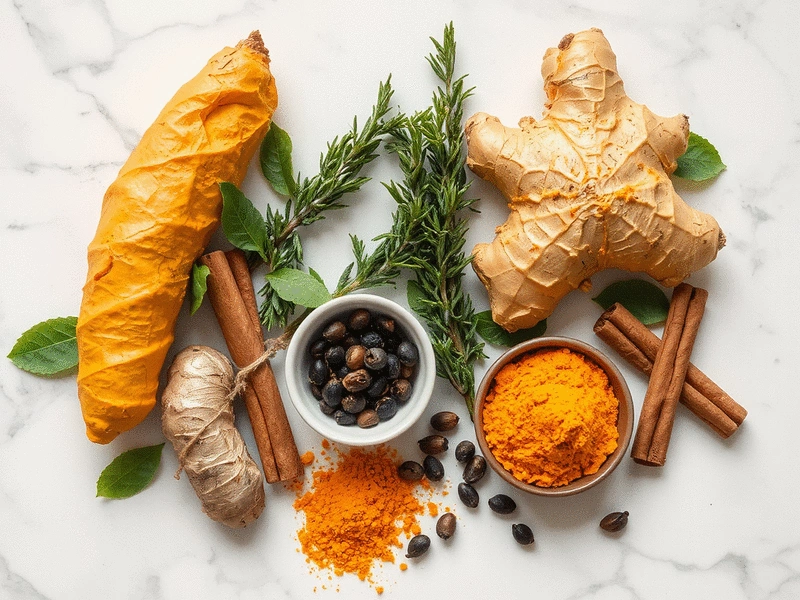
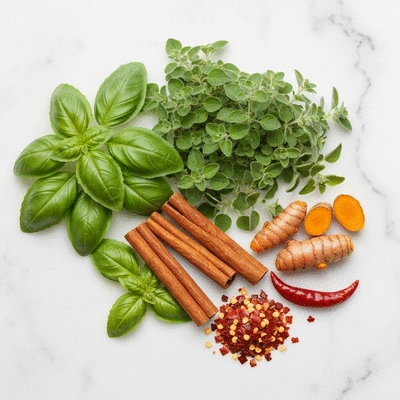
Turmeric - Known for its active compound, curcumin, which has been extensively studied for its anti-inflammatory properties.
Ginger - Contains gingerol, which plays a significant role in reducing inflammation and is known for its therapeutic effects.
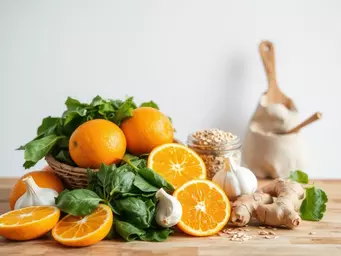
Garlic - Rich in allicin, known for its immune-boosting properties and recognized for its beneficial compounds.
Cayenne pepper - Contains capsaicin, which can help decrease inflammation.
Incorporating these ingredients into your daily meals can be a simple and effective way to utilize their benefits. For example, adding turmeric to your smoothies or sprinkling ginger onto stir-fried vegetables can make a substantial difference in your health!
How Do They Support Immunity?
The impact of anti-inflammatory herbs and spices on our immune system is profound. They help modulate the immune response, allowing our body to combat infections and diseases more effectively. Here are a few key ways they support immunity:
Reducing Inflammation: Lower inflammation levels help the immune system function optimally.
Enhancing Antioxidant Levels: Many of these herbs are rich in antioxidants that protect our cells from damage.
Supporting Gut Health: A healthy gut is crucial for a strong immune response, and many herbs aid digestion.
Boosting Overall Wellness: Their nutritional properties contribute to overall health, enhancing vitality.
As someone who deeply believes in the power of natural remedies, I encourage you to explore these anti-inflammatory options in your meals. It can be a delightful journey towards better health, not just for you but for your loved ones as well. Together, let’s prioritize our wellness!
Key Anti-Inflammatory Herbs and Spices
Now that we understand what anti-inflammatory herbs and spices are and how they support our immune health, let’s dive deeper into some of the most powerful ones you can incorporate into your diet.
Quick Summary
Here's a brief recap of the key points discussed so far:
Anti-inflammatory herbs and spices play a crucial role in supporting immune health.
Ingredients like turmeric, ginger, and garlic are known for their anti-inflammatory properties.
Incorporating these herbs into your diet can help reduce inflammation, enhance antioxidant levels, and support gut health.
A holistic approach combining these ingredients with a balanced diet and lifestyle is essential for optimal immunity.
Connecting the Dots: The Importance of Anti-Inflammatory Ingredients
In our journey toward optimal immunity, it’s essential to understand how anti-inflammatory herbs and spices play a pivotal role. These natural ingredients do more than just add flavor; they help reduce inflammation in the body, which is crucial for a robust immune response. Integrating these herbs into your daily routine can make a significant difference in your overall health!
However, it's important to recognize that while these ingredients are beneficial, they should complement a comprehensive health strategy. If you're considering significant dietary changes or managing health conditions, consulting with a healthcare professional is always a wise step.
When to Consult a Healthcare Professional
Before diving into the world of anti-inflammatory herbs and spices, it may be necessary to touch base with your healthcare provider, especially if you have existing health concerns. Here are a few instances where seeking professional advice is beneficial:
If you’re currently taking medication that may interact with certain herbs or spices.
Before starting a new supplement regimen, particularly for those with chronic conditions.
If you have allergies or sensitivities that could be exacerbated by herbal ingredients.
Your health is paramount! Ensuring that your immune support strategy is tailored to your unique needs can help you achieve better results.
Frequently Asked Questions About Anti-Inflammatory Herbs and Spices
Q: What are the primary benefits of anti-inflammatory herbs and spices?
A: They help reduce inflammation, enhance antioxidant levels, support gut health, and boost overall wellness, all contributing to a stronger immune system.
Q: Which herbs and spices are best for reducing inflammation?
A: Turmeric (curcumin), ginger (gingerol), garlic (allicin), cinnamon, and cayenne pepper (capsaicin) are among the most effective for their anti-inflammatory properties.
Q: How can I incorporate these herbs into my daily meals?
A: You can add turmeric to smoothies, ginger to stir-fries or teas, cinnamon to breakfast items, and garlic to savory dishes. Variety is key for nutrient absorption.
Q: Is it necessary to consult a healthcare professional before using these herbs?
A: Yes, it is recommended, especially if you are on medication, have chronic health conditions, or have known allergies or sensitivities to herbal ingredients, to avoid potential interactions or adverse effects.
Q: Do echinacea and elderberry also support immune health?
A: Yes, echinacea is traditionally used for colds and flu, and elderberry is known for its antiviral effects, making them valuable additions to an immune-boosting routine.
Encouraging a Holistic Approach to Immunity
At Boost Your Immune System, we believe in the power of a holistic approach to enhance your overall health. This means combining anti-inflammatory herbs and spices with a balanced diet, regular exercise, and stress management strategies. When these elements work in harmony, they create a strong foundation for your immune system.
For instance, pairing turmeric with a diet rich in fruits, vegetables, and whole grains provides a comprehensive source of nutrients that synergistically support your body's defenses. The more you can integrate these elements into your lifestyle, the stronger your immune system will become!
Combining Herbs with a Balanced Diet for Optimal Health
To truly harness the benefits of anti-inflammatory ingredients, it’s essential to incorporate them into a well-rounded diet. Here are some key strategies for combining herbs and spices effectively:
Mix turmeric into smoothies or oatmeal for a nutritious kick.
Add ginger to stir-fries or teas to enhance flavor and health benefits.
Sprinkle cinnamon on breakfast items like yogurt or pancakes to enjoy its sweetness and health properties.
Include garlic in savory dishes to amplify flavor while boosting your immune health.
Remember, variety is key! The more diverse your meals, the better your body will respond to the nutrients you provide.
Final Thoughts on Integrating Anti-Inflammatory Herbs into Daily Life
As you explore the world of anti-inflammatory herbs, it’s important to embrace the process! Start with small changes, like adding a pinch of cinnamon or ginger to your meals, and gradually incorporate other herbs. Your body will thank you as you notice improvements in your energy levels and overall well-being.
Let’s not forget to stay curious! Researching new recipes or health tips keeps the journey exciting and ensures you're making informed choices. Feel free to share your experiences and favorite recipes in the comments below!
Exploring the Role of Echinacea and Elderberry in Immune Support
In addition to the powerful herbs we've discussed, echinacea and elderberry are also notable for their immune-boosting properties. Echinacea has been used traditionally to ward off colds and flu, while elderberry is praised for its antiviral effects. You can find both in various forms, including teas, syrups, and capsules.
Including these herbs in your wellness routine can offer extra layers of support during cold and flu season. Just like with other herbs, it's always good to consult your healthcare provider for personalized guidance on incorporating these into your regimen.
Recap of Key Points
Here is a quick recap of the important points discussed in the article:
Incorporate anti-inflammatory herbs like turmeric, ginger, garlic, cinnamon, and cayenne pepper into your meals for enhanced immune support.
These herbs reduce inflammation, enhance antioxidant levels, and support gut health, contributing to overall wellness.
Consult a healthcare professional when considering significant dietary changes or if you have existing health concerns.
Adopt a holistic approach by combining anti-inflammatory herbs with a balanced diet, regular exercise, and stress management techniques.
Experiment with different herbs and spices in your cooking to keep meals diverse and nutritious.
Dr. Elara Finch
Dr. Elara Finch is a dedicated health and wellness expert passionate about empowering individuals to strengthen their immune systems through natural and holistic approaches. With extensive training in nutrition and wellness, Dr. Finch combines evidence-based research with practical insights to guide readers toward healthier lifestyles. Through her work, she aims to educate and inspire others to take charge of their health and well-being, helping them navigate seasonal changes with robust immunity.
Boost Your Immune System is dedicated to empowering individuals with expert-backed insights on nutrition, lifestyle, and natural remedies. Our mission is to demystify immune support and equip you with actionable strategies for year-round optimal health.