IMMUNE-BOOSTING NUTRIENTS
Vitamins C, D, E & Zinc
- ✓ Vitamin C: Boosts antibodies
- ✓ Vitamin D: Modulates immunity
- ✓ Vitamin E: Antioxidant protection
- ✓ Zinc: Essential for immune cell development
Have you considered how your daily food choices could transform your health? The link between nutrition and immune health is deeper than most realize. By focusing on whole, nutrient-dense foods, you're not just feeding your body—you're empowering it.
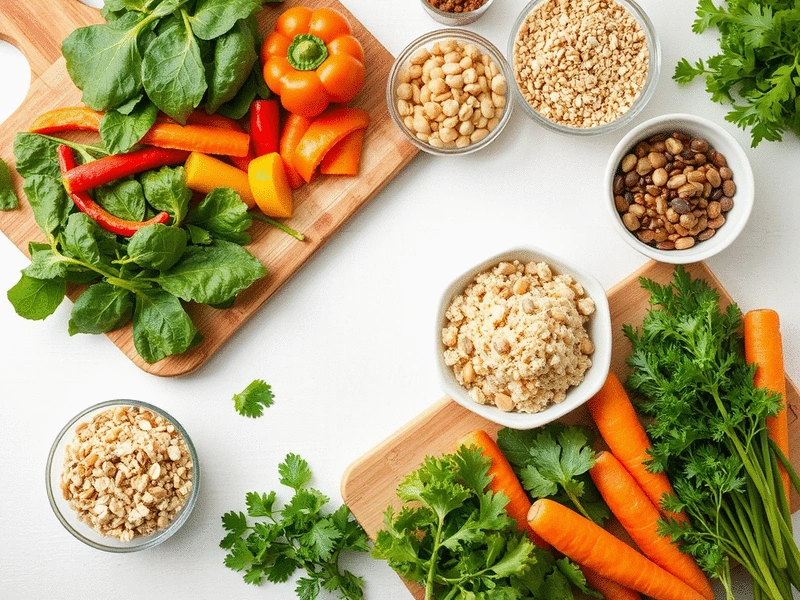
Nourishing your body with essential vitamins, minerals, and other compounds from whole foods is crucial for a strong immune system. Below is an overview of key immune-supporting nutrients and their primary dietary sources.
Have you ever wondered how our diet influences our body's ability to fend off illnesses? The truth is, the connection between nutrition and immune health is profound. By making conscious food choices, we can significantly enhance our immune function. At Boost Your Immune System, we believe in the power of whole foods to create a robust defense against pathogens.
Understanding the nutrients that support immune health is the first step. When we focus on incorporating whole, nutrient-dense foods into our meals, we're not just feeding our bodies; we're empowering them to operate at their best. Let’s explore how these foods play a crucial role in fortifying our immune systems.
Whole foods are packed with essential nutrients that our bodies need to function optimally. These nutrients help in building a strong immune response and maintaining overall health. Research increasingly highlights the benefits of a diet rich in whole, unprocessed foods for overall well-being. Here are some key benefits of whole foods:
As a health and wellness expert, I often emphasize the importance of these foods in our daily diet. Each food group offers unique benefits that contribute to a thriving immune system. For more insights into the distinction between processed and whole foods, you can refer to this article from the Global Wellness Institute.
Key nutrients play specific roles in supporting our immune system. For instance, vitamin C is vital for the production of white blood cells, while vitamin D enhances the pathogen-fighting effects of monocytes and macrophages. Additionally, minerals like zinc are crucial for maintaining immune cell function. The National Institutes of Health provide further details on specific micronutrients and their role in immune modulation.
Here’s a brief overview of how these nutrients contribute to immune health:
To harness these nutrients effectively, focusing on whole foods is key. Foods rich in vitamins C, D, E, and selenium include:
Integrating these foods into your diet can make a noticeable difference in your overall immune health. Remember, a varied diet ensures you get the full spectrum of nutrients your body needs!
Antioxidants are another critical component in supporting our immune system. They neutralize free radicals, reducing oxidative stress and inflammation. As I guide readers at Boost Your Immune System, it's important to realize that antioxidants can be found in a variety of whole foods.
In addition to antioxidants, omega-3 fatty acids are essential for maintaining immune health. They play a role in regulating immune responses and reducing inflammation.
Antioxidants, present in many fruits and vegetables, help to enhance the immune response. They are known for:
To support your immune system with omega-3 fatty acids, consider incorporating:
These sources can help you achieve a balanced intake of omega-3 fatty acids, which is crucial for your immune health.
Phytochemicals are natural compounds found in plants that provide various health benefits, including immune support. They work synergistically with vitamins and minerals to help protect our bodies from disease.
At Boost Your Immune System, I often encourage readers to explore the world of phytochemicals for enhanced wellness.
Phytochemicals support immune function in several ways:
By including a variety of colorful fruits and vegetables in your diet, you can ensure your body gets ample phytochemicals to support its immune defenses.
Did you know? Incorporating a variety of colorful fruits and vegetables into your meals not only makes your plate visually appealing but also ensures that you receive a wide range of essential nutrients. Aim for a "rainbow" on your plate to maximize your immune-boosting potential!
At Boost Your Immune System, we believe that a strong immune system isn't just about what we eat; it's also about how we live! Integrating holistic lifestyle factors can significantly enhance our immune function. Let's explore some of these key elements that contribute to overall immunity.
To truly support your immune system, consider a **holistic approach** that includes exercise, sleep, and stress management. Each of these areas plays a critical role in maintaining a robust immune response. For instance, regular physical activity not only keeps our bodies fit but also helps reduce stress hormones, leading to improved immunity. The Defense Health Agency offers further tips on boosting immunity through lifestyle.
By focusing on these lifestyle factors, you can create a supportive environment for your immune system to thrive!
Did you know that exercise can boost the circulation of immune cells? Regular movement enhances your body's ability to respond to infections. Similarly, quality sleep is vital for producing cytokines, proteins that target infection and inflammation. Don't underestimate the impact of stress; chronic stress can weaken your immune defenses. That's why making time for self-care and relaxation is essential!
Integrating whole foods into your daily routine doesn't have to be daunting! Here are some practical tips:
By incorporating these simple strategies, you'll naturally enhance your intake of nutrient-rich foods that support your immune system.
Staying hydrated is often overlooked, yet it's crucial for optimal immune function. Water helps transport nutrients to cells and supports digestion, which is essential for absorbing all the wonderful nutrients from whole foods. Aim to drink plenty of fluids throughout the day, particularly water, herbal teas, or infused water with fruits and herbs for added flavor!
As I talk to individuals about improving their immune health, I often encounter a few common questions and misconceptions. Let’s tackle these head-on to provide clarity!
It's essential to differentiate between myths and facts when it comes to diet and immune health. For example, many people believe that a single food can dramatically boost immunity. While certain foods can help, it's the overall balance and variety of your diet that truly matters.
Understanding these myths can help you make informed dietary choices that truly enhance your immune function.
Many people are misled by quick fixes and health fads. Rather than searching for the next miracle food, focus on a holistic approach that includes a variety of whole foods! This is where Boost Your Immune System comes in, providing you with reliable information to guide your choices.
Here are some frequently asked questions I encounter regarding whole foods and their impact on immunity:
Whole foods are unprocessed or minimally processed foods rich in natural nutrients like vitamins, minerals, fiber, and antioxidants. They are crucial for immunity because these nutrients work synergistically to support immune cell function, reduce inflammation, and protect the body from pathogens.
Key nutrients include Vitamin C (citrus, bell peppers), Vitamin D (fatty fish, egg yolks), Vitamin E (nuts, seeds, leafy greens), and Zinc (meat, shellfish, legumes). These play vital roles in antibody production, immune modulation, antioxidant protection, and immune cell development.
Antioxidants reduce oxidative stress and inflammation, which can weaken the immune system. Omega-3 fatty acids help regulate immune responses and further reduce inflammation. Both are essential for a balanced and effective immune defense.
While supplements can be beneficial in addressing specific deficiencies, they are not a substitute for whole foods. Whole foods provide a complex array of nutrients, fiber, and phytochemicals that work together in ways supplements cannot fully replicate, offering comprehensive immune support.
A holistic approach includes regular exercise, adequate sleep (7-9 hours per night), effective stress management techniques, and consistent hydration. These factors collectively support immune cell circulation, cytokine production, and overall bodily function, preventing immune weakening.
Understanding which foods truly support immune health can be overwhelming. Focus on whole, unprocessed foods, as they are rich in the nutrients your body needs to function optimally. Incorporate plenty of colorful fruits and vegetables, whole grains, lean proteins, and healthy fats into your meals. You’ll find that these foods not only taste good but also keep your immune system in check!
Supplements can be beneficial in certain situations, especially if you're lacking specific nutrients. However, they should not replace a balanced diet rich in whole foods. At Boost Your Immune System, we emphasize the importance of getting most of your nutrients from your diet to promote long-term health and immunity.
In summary, embracing a holistic approach to immune health involves integrating both dietary and lifestyle choices. Making whole foods a priority, managing stress, and staying active are all essential components of supporting your immune system.
Ready to take the next step? Start implementing these immune-boosting practices into your daily routine! Remember, small, consistent changes can lead to big results in your health.
Keep track of your progress and continue to explore new recipes and meal ideas that align with your wellness goals. Don’t hesitate to share your experiences in the comments below! I love hearing how others are incorporating these practices into their lives.
For more tips, recipes, and in-depth information, visit Boost Your Immune System. We are dedicated to providing you with the resources you need to thrive. Together, let's empower ourselves and our communities to embrace health and well-being!
Be sure to check our blog for a variety of delicious immune-boosting recipes and the latest research on nutrition and immunity. You’re not alone on this journey, and I’m here to support you every step of the way!
Here is a quick recap of the important points discussed in the article:
Dr. Elara Finch is a dedicated health and wellness expert passionate about empowering individuals to strengthen their immune systems through natural and holistic approaches. With extensive training in nutrition and wellness, Dr. Finch combines evidence-based research with practical insights to guide readers toward healthier lifestyles. Through her work, she aims to educate and inspire others to take charge of their health and well-being, helping them navigate seasonal changes with robust immunity.