Probiotics and Prebiotics for Health

As we delve into the intricacies of gut health, it becomes clear that what we consume plays a pivotal role in our overall well-being. Probiotics and prebiotics are not just health buzzwords; they are essential components for a thriving immune system. Understanding their unique functions can empower you to make informed dietary choices that enhance your gut health and immunity.
What You Will Learn
- Probiotics are live microorganisms that support gut health and enhance immune function.
- Prebiotics are indigestible fibers that serve as nourishment for beneficial gut bacteria, promoting their growth.
- Maintaining a balanced gut microbiota is crucial for overall health, impacting digestion and immunity.
- A diverse gut microbiome enhances resilience against pathogens and improves nutrient absorption.
- Probiotics can modulate immune responses and reduce inflammation, contributing to a stronger immune system.
- Dietary sources of probiotics include fermented foods like yogurt and kimchi, while prebiotic sources include garlic and bananas.
- Incorporating a mix of probiotics and prebiotics into daily meals can lead to better gut health and overall wellness.
- Personalized action plans for probiotics and prebiotics can help tailor gut health strategies to individual needs.
Probiotics and Prebiotics: Benefits, Limitations, and Future
This visual highlights the key aspects of probiotics and prebiotics, detailing their benefits, potential limitations, and future directions in gut health research.
Probiotics: The Gut's Allies
Benefits
- Aid digestion & nutrient absorption
- Enhance immune function (GALT, IgA)
- Reduce inflammation
- Increase microbial diversity
Sources & Key Aspects
- Yogurt, Kefir, Kimchi, Miso
- Live microorganisms
- Produce SCFAs for gut barrier
- Strain-specific benefits
Prebiotics: Fuel for Good Bacteria
Benefits
- Stimulate growth of beneficial bacteria
- Enhance probiotic effectiveness
- Support microbial diversity
- Improve gut barrier integrity
Sources & Key Aspects
- Garlic, Onions, Bananas, Chicory root
- Indigestible fibers
- Inulin & Oligosaccharides
- Essential for a thriving microbiome
Limitations & Future Directions
Limitations
- Not effective for all conditions (e.g., SIBO)
- Caution for immunocompromised individuals
- Underlying health issues may limit efficacy
- Individual variability in response
Future Research
- Postbiotics & Next-Gen Probiotics
- Microbiome testing for personalization
- Role in antibiotic resistance
- Personalized action plans
The Role of Probiotics and Prebiotics in Gut and Immune Health: An Overview
In our journey toward optimal health, understanding the roles of probiotics and prebiotics is crucial. These two powerhouses not only support gut health but also have a significant impact on our immune systems. Let’s explore what they are, how they function, and why they matter for our overall well-being.
Understanding Probiotics and Prebiotics: Definitions and Differences
First, let’s clarify what probiotics and prebiotics actually are. Probiotics are live microorganisms that provide health benefits when consumed in adequate amounts. They’re often referred to as "good bacteria" because they help maintain a healthy gut microbiome. Think of them as your gut's allies!
What Are Probiotics? Live Microbes and Their Benefits
Probiotics are found in various foods and supplements. Some well-known sources include:
- Yogurt
- Kefir
- Kimchi
- Sauerkraut
- Miso
These live microbes can aid digestion, enhance nutrient absorption, and even support immune function by improving the balance of gut bacteria. The International Scientific Association for Probiotics and Prebiotics (ISAPP) provides further insights into the latest developments in biotic science, highlighting their ongoing research and findings.
What Are Prebiotics? Indigestible Fibers That Feed Beneficial Bacteria
On the other hand, prebiotics are types of indigestible fiber that serve as food for the beneficial bacteria in our guts. They help stimulate the growth and activity of these probiotics, enhancing their effectiveness. Some popular prebiotic sources include:
- Garlic
- Onions
- Bananas
- Chicory root
- Asparagus
Incorporating both probiotics and prebiotics into our diet is essential for maintaining a healthy microbiome and, in turn, a robust immune system.
The Science Behind Gut Health: How Probiotics and Prebiotics Work
Our gut health is more than just digestion; it's a complex ecosystem that plays a vital role in our overall health. Understanding how probiotics and prebiotics work can help us appreciate their importance.
The Importance of Gut Microbiota Balance and Its Impact on Health
Maintaining a balanced gut microbiota is crucial for health. A disruption in this balance can lead to various health issues, including digestive disorders and weakened immunity. Probiotics help restore this balance, while prebiotics nourish the good bacteria, allowing them to flourish.
Mechanisms of Action: Short-Chain Fatty Acids (SCFAs) and Gut Barrier Integrity
Probiotics produce short-chain fatty acids (SCFAs), which are beneficial for gut barrier integrity. These SCFAs can help reduce inflammation and support the gut lining, making it less permeable to harmful substances. This process is essential for maintaining a strong gut health foundation.
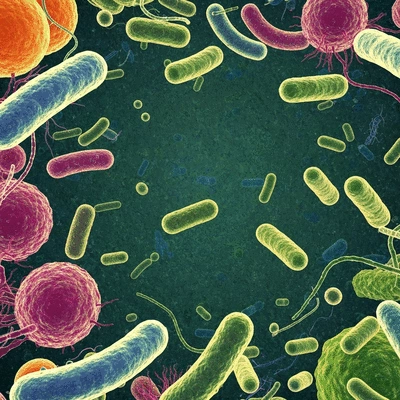
The Role of Microbial Diversity in Maintaining Gut Health
A diverse gut microbiota is a healthy microbiota! This diversity enhances our resilience against various pathogens and contributes to better nutrient absorption. Probiotics can increase this microbial diversity, while prebiotics help sustain it by feeding a variety of beneficial bacteria. Incorporating a mix of both is key!
Linking Gut Health to Immune System Support
Now that we understand how probiotics and prebiotics function, let’s connect the dots to immune system support. A healthy gut is pivotal for a robust immune response.
How Probiotics Modulate Immune Responses: The Role of GALT and IgA
Probiotics can enhance immune responses by stimulating gut-associated lymphoid tissue (GALT) and increasing immunoglobulin A (IgA) production. This process helps protect us from infections and supports overall immune function.
Reducing Inflammation: The Connection Between Gut Health and Immune Function
Chronic inflammation can be detrimental to our health and is often linked to an imbalanced gut microbiome. Probiotics help to lower inflammation levels, which can significantly improve our immune health. Reducing inflammation is a step toward a resilient immune system!
Understanding Immunomodulation and Its Benefits for Immune Health
Immunomodulation refers to the ability of probiotics to enhance or suppress immune responses as needed. This balance is essential for maintaining health, particularly during cold and flu seasons. By fostering a healthy gut microbiome, we can effectively support our immune systems.
Health Benefits of Probiotics and Prebiotics: Beyond Gut Health
Probiotics and prebiotics offer numerous health benefits that extend beyond gut health. Let’s look at some surprising advantages!
Digestive Health: Improving Digestion and Mineral Absorption
These friendly microbes play a pivotal role in breaking down food and improving mineral absorption. This process is vital for ensuring our bodies receive essential nutrients.
Mood and Metabolism: How Gut Health Influences Overall Well-being
The gut-brain connection is a fascinating area of research. Studies suggest that a healthy gut can positively affect mood and metabolism. Probiotics may also help alleviate symptoms of anxiety and depression.
Exploring the Gut-Brain Axis: Connection Between Gut Microbiome and Mental Health
The gut-brain axis highlights the communication between our gut microbiome and brain. By promoting a healthy gut, we can boost our mental health and overall well-being. It’s a win-win!
Food Sources of Probiotics and Prebiotics: Building a Gut-Friendly Diet
Eating a balanced diet rich in probiotics and prebiotics is a fun and delicious way to maintain gut health. Let’s explore some great food sources!
Fermented Foods: Yogurt, Kefir, Kimchi, and Their Benefits
Fermented foods are treasures for our gut health! They’re packed with probiotics that can enhance gut flora. Adding a variety of these foods to your meals can help keep your microbiome thriving.
High-Fiber Foods: Chicory, Flaxseed, and Other Prebiotic Sources
High-fiber foods are essential for feeding our gut bacteria. Incorporating foods like chicory and flaxseed into your diet can boost your prebiotic intake, positively influencing your gut and immune health.
Understanding Prebiotic Fibers: Inulin and Oligosaccharides
Inulin and oligosaccharides are two types of prebiotic fibers that can significantly help nourish beneficial gut bacteria. Including these fibers in your diet is an effective strategy for enhancing gut health!
Practical Guidance for Incorporating Probiotics and Prebiotics
Now that we know the importance of these nutrients, how can we integrate them into our daily lives effectively? Here are some practical tips!
Choosing the Right Strains: Strain-Specific Benefits for Different Conditions
Not all probiotics are created equal! Different strains have unique benefits. For example, some strains may aid digestion, while others focus on immune support. It's essential to choose the right strains for your specific needs.
Dosing Recommendations: Timing and Quantity for Optimal Efficacy
To reap the benefits of probiotics, it's crucial to adhere to dosing recommendations. Generally, doses ranging from 1 to 10 billion CFU (colony-forming units) per day are beneficial. Consistency is key!
Exploring Synbiotics: The Combined Benefits of Probiotics and Prebiotics
Synbiotics are products that combine both probiotics and prebiotics, offering a comprehensive approach to gut health. Incorporating synbiotics into your routine can amplify the benefits of both, making it an excellent choice for those looking to enhance their immune support!
Pro Tip
To maximize the benefits of probiotics and prebiotics, consider incorporating a variety of both into your diet. Aim for different strains of probiotics from fermented foods and diverse sources of prebiotics, such as fruits and vegetables. This combination will not only enhance your gut health but also support a more resilient immune system!
Understanding When Probiotics and Prebiotics May Not Be Effective
While probiotics and prebiotics are widely celebrated for their numerous health benefits, there are times when they may not be effective for everyone. It’s essential to be aware of the potential limitations and risks associated with their use. Understanding these nuances can empower you to make informed decisions about your gut health journey!
Potential Limitations and Risks of Probiotic Use
One of the key considerations in incorporating probiotics into your routine is recognizing specific conditions where they may not provide the expected benefits. For instance, individuals with Small Intestinal Bacterial Overgrowth (SIBO) may experience worsening symptoms when introducing probiotics. Furthermore, those who are immunocompromised should approach probiotics cautiously, as their immune systems may react differently to these live microorganisms. A recent review highlights the complex relationship between the gut microbiome and various health conditions, emphasizing the need for tailored approaches, as detailed in this Wiley Online Library article on the gut microbiome's role in health and disease.
- SIBO: Probiotics can potentially exacerbate symptoms in individuals with this condition.
- Immunocompromised states: Those with weakened immune systems should consult with healthcare providers before starting probiotics.
- Underlying health issues: Certain gastrointestinal disorders may not respond favorably to probiotic supplementation.
At Boost Your Immune System, we prioritize your health and encourage you to consult with a healthcare professional to determine the best approach for your individual circumstances. Remember, it’s essential to tailor your gut health strategies to your unique needs!
Emerging Research: The Future of Gut Health Interventions
The field of gut health is rapidly evolving, with exciting innovations on the horizon! Research is uncovering new ways to enhance our understanding of gut microbiota, paving the way for more effective interventions. One such development is the exploration of postbiotics—by-products of probiotic fermentation that may offer health benefits without introducing live bacteria into the system.
Exploring Postbiotics and Next-Generation Probiotics
Postbiotics show promise in supporting gut health while reducing potential risks associated with live probiotics. These compounds can help maintain gut integrity and promote a balanced microbiome. Additionally, next-generation probiotics are being developed to target specific health conditions more effectively, enhancing their efficacy.

Microbiome Testing: Personalizing Your Gut Health Approach
Another fascinating area of research is microbiome testing. These tests can provide insights into your unique gut microbiota composition, allowing for a more personalized health plan. By understanding which strains may be beneficial for your specific needs, you can maximize the effectiveness of your probiotic and prebiotic intake! The latest advancements in microbiome testing and personalized health are continuously explored, as showcased in Frontiers in Systems Biology research on systems biology and personalized medicine.
Addressing Antibiotic Resistance: The Role of Probiotics in Treatment
As antibiotic resistance becomes a growing concern, some studies suggest that probiotics may play a role in mitigating the adverse effects of antibiotics. By restoring the balance of gut microbiota after antibiotic treatment, probiotics can help support recovery and maintain overall gut health. This emerging research emphasizes the importance of understanding the gut-immune connection.
Taking Action: Enhancing Your Gut and Immune Health Today
Now that we’ve explored the limitations and exciting advancements in gut health, it's time to take actionable steps toward enhancing your well-being. The journey to a healthier gut is not just about adding supplements; it’s about creating a sustainable lifestyle that supports your immune system.
Frequently Asked Questions (FAQs)
To further clarify the key points discussed, here are some frequently asked questions about probiotics and prebiotics:
- Q1: What is the main difference between probiotics and prebiotics?
- A1: Probiotics are live microorganisms (good bacteria) that provide health benefits when consumed, while prebiotics are indigestible fibers that act as food for these beneficial bacteria, helping them grow and thrive.
- Q2: How do probiotics and prebiotics benefit the immune system?
- A2: Probiotics can modulate immune responses, stimulate immune cells like GALT, and increase IgA production, while prebiotics enhance the growth of beneficial bacteria that produce compounds like SCFAs, which reduce inflammation and support gut barrier integrity, all contributing to a stronger immune system.
- Q3: What are some common food sources of probiotics?
- A3: Common probiotic food sources include fermented foods such as yogurt, kefir, kimchi, sauerkraut, and miso.
- Q4: What are some good sources of prebiotics?
- A4: Good prebiotic sources include garlic, onions, bananas, chicory root, asparagus, and other high-fiber fruits and vegetables.
- Q5: Can probiotics and prebiotics be harmful?
- A5: While generally safe, probiotics may not be effective for everyone and can potentially worsen symptoms in individuals with conditions like SIBO. Immunocompromised individuals should consult a healthcare professional before use. Prebiotics can sometimes cause gas or bloating if consumed in large quantities.
- Q6: What are synbiotics?
- A6: Synbiotics are products that combine both probiotics and prebiotics, aiming to provide enhanced benefits by delivering live beneficial microorganisms along with the food they need to thrive.
Creating a Personalized Action Plan for Probiotics and Prebiotics
To successfully incorporate probiotics and prebiotics into your daily routine, consider creating a personalized action plan! Here are some daily tips to help you seamlessly integrate these beneficial elements into your diet:
- Start your day with a serving of fermented foods like yogurt or kefir.
- Snack on high-fiber foods such as fruits, vegetables, and whole grains.
- Experiment with different probiotic strains to find what works best for you.
- Keep a food diary to track your responses and adjust your intake as needed.
By actively engaging with your gut health, you empower yourself to make informed choices that support your overall wellness journey!
Building a Healthier Gut for a Stronger Immune System
The foundation of a strong immune system lies in maintaining a balanced microbiome. Small lifestyle changes can lead to significant improvements in your gut health. Here are some strategies to encourage a thriving microbiome:
Encouraging a Balanced Microbiome: Lifestyle Changes That Matter
- Incorporate a variety of plant-based foods to nourish diverse gut bacteria.
- Limit processed foods and added sugars that can disrupt gut health.
- Stay hydrated to support digestion and overall health.
- Engage in regular physical activity to promote healthy digestion and microbiota diversity.
Understanding the Impact of Dietary Fiber on Gut Health
Don’t forget about the importance of dietary fiber! It's crucial for feeding the beneficial bacteria in your gut. Sources of dietary fiber, such as legumes, whole grains, and fruits, can significantly impact your gut microbiome. By making dietary fiber a staple in your meals, you're enhancing your gut health and supporting your immune system!
At Boost Your Immune System, we believe that every small step counts in the journey to better health. So, let’s embrace these changes together and work toward a stronger, healthier you!
Recap of Key Points
Here is a quick recap of the important points discussed in the article:
- Probiotics are live microorganisms that promote gut health and support immune function.
- Prebiotics are indigestible fibers that feed beneficial gut bacteria, enhancing the effectiveness of probiotics.
- Maintaining a balanced gut microbiota is crucial for overall health, as it impacts digestion, immunity, and even mental well-being.
- Incorporate a variety of fermented and high-fiber foods into your diet to support gut and immune health.
- Be mindful of the specific strains of probiotics and their unique benefits for targeted health conditions.

Dr. Elara Finch
Dr. Elara Finch is a dedicated health and wellness expert passionate about empowering individuals to strengthen their immune systems through natural and holistic approaches. With extensive training in nutrition and wellness, Dr. Finch combines evidence-based research with practical insights to guide readers toward healthier lifestyles. Through her work, she aims to educate and inspire others to take charge of their health and well-being, helping them navigate seasonal changes with robust immunity.
Popular Posts
Safe Online Sources for Immune Supplements
![Where to Buy High-Quality Immune Support Supplements Online Safely]() Have you ever considered how essential your immune system is to your overall health? With the rise o
Have you ever considered how essential your immune system is to your overall health? With the rise o
 Have you ever considered how essential your immune system is to your overall health? With the rise o
Tools for Immune Health Tracking
![Navigating Immune Health Resources: Best Apps and Tools for Lifestyle Tracking]() What if a few simple lifestyle changes could significantly boost your immune health? Understanding t
What if a few simple lifestyle changes could significantly boost your immune health? Understanding t
 What if a few simple lifestyle changes could significantly boost your immune health? Understanding t
Budget-Friendly Immune-Boosting Food Tips
![How to Shop and Choose Immune-Boosting Foods on a Budget]() What if a simple change in your diet could strengthen your body's defenses against illness? The conn
What if a simple change in your diet could strengthen your body's defenses against illness? The conn
 What if a simple change in your diet could strengthen your body's defenses against illness? The conn
Personalize Your Immune Health Naturally
![Using Functional Medicine Approaches to Personalize Your Immune-Boosting Lifestyle]() What if you could boost your immune system not just by treating symptoms but by addressing the root
What if you could boost your immune system not just by treating symptoms but by addressing the root
 What if you could boost your immune system not just by treating symptoms but by addressing the root
