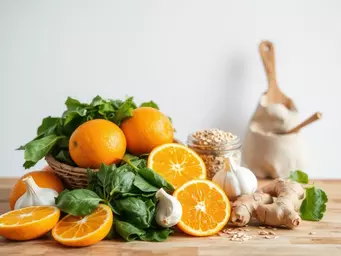
Seasonal Tips for Stronger Immunity

Seasonal Lifestyle Adjustments to Enhance Immune Function Year-Round

What if embracing the natural changes of the seasons could be the key to a stronger immune system? By making simple lifestyle adjustments throughout the year, you can enhance your well-being and resilience against illnesses.

What You Will Learn

  • How seasonal lifestyle adjustments can optimize your immune function.
  • The importance of aligning dietary habits with seasonal produce for improved health.
  • Strategies for modifying exercise and sleep routines according to seasonal changes.
  • The connection between seasonal shifts and immune responses to illnesses.
  • How to create a personalized seasonal immunity calendar for ongoing health benefits.
  • Tips for addressing common seasonal wellness questions and challenges.

Seasonal Adjustments for Immune Function

Aligning daily habits with seasonal rhythms optimizes immune function. Here's how different seasons impact immunity and key adjustments to consider.

Winter Challenges & Adjustments

  • Increased likelihood of colds and flu
  • Focus on warming foods (root vegetables, citrus)
*Immune support is critical.

Spring Challenges & Adjustments

  • Allergens may trigger immune reactions
  • Incorporate fresh greens and herbs
*Prepare for allergens.

Summer Challenges & Adjustments

  • Sun exposure boosts Vitamin D but can lead to dehydration
  • Stay hydrated with water and fruits (watermelon)
*Focus on hydration.

Fall Challenges & Adjustments

  • Transitioning back to indoor environments increases illness rates
  • Prep for colder months with immune-boosting spices and soups
*Boost immunity proactively.

Understanding Seasonal Lifestyle Adjustments for Immune Function

Seasonal lifestyle adjustments are crucial practices we can adopt to support our health throughout the year. These adjustments involve changing our daily habits, routines, and even our diets according to the seasons to optimize our immune function. By aligning our lifestyle with the natural rhythms of the seasons, we can better equip our bodies to fight off illnesses and maintain overall wellness.

For instance, as the weather shifts and seasons change, our body's needs also evolve. Incorporating seasonal adjustments can help us respond proactively to these changes and stay healthy. At Boost Your Immune System, we believe that understanding these adjustments is key to enhancing your immunity and well-being.

What Are Seasonal Lifestyle Adjustments?

Seasonal lifestyle adjustments refer to the modifications we can make in our daily lives to align with the changing seasons. These can include dietary changes, modifications in exercise routines, and sleep patterns tailored to seasonal conditions. By being aware of how our environment influences our health, we can make informed choices to support our immune systems.

  • Adjusting dietary habits to include seasonal fruits and vegetables
  • Changing exercise routines based on weather conditions
  • Modifying sleep practices with the changes in daylight
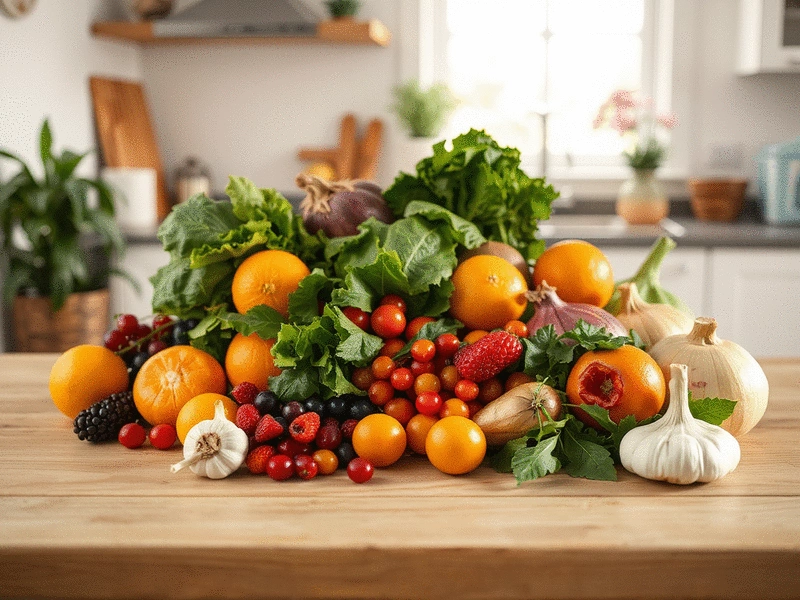
Assortment of fresh seasonal fruits and vegetables on a rustic wooden table, bright natural light, no text, no words, no typography, clean image

For example, in the winter, you might focus on consuming hearty root vegetables and warming spices like ginger and turmeric, while summer might call for lighter meals filled with colorful fruits and leafy greens. It's all about being adaptive to what nature provides!

The Connection Between Seasons and Immune Function

The seasons can significantly impact our immune function and overall health. As temperatures fluctuate, the immune system must adapt to varying environmental conditions. Colder months often bring about more indoor activities, which can increase exposure to germs and viruses. For example, the CDC routinely monitors seasonal respiratory virus activity, highlighting the increased transmission risks during these times. This highlights the need for robust immune support strategies during those times.

  • Winter: Increased likelihood of colds and flu
  • Spring: Allergens may trigger immune reactions
  • Summer: Sun exposure boosts vitamin D but can lead to dehydration
  • Fall: Transitioning back to indoor environments increases illness rates

Recognizing these seasonal patterns allows us to implement targeted actions to bolster our immunity. By being proactive, we can maintain better health and reduce the incidence of seasonal illnesses. The U.S. Department of Defense also offers tips for boosting immunity, reinforcing the importance of these proactive measures, especially during periods when influenza activity, such as the AH3N2 subclade circulating in the EU/EEA, is higher.

We Want to Hear From You!

As you consider your own seasonal lifestyle adjustments, what strategies have you found most effective for boosting your immune health? Share your thoughts below:

Summarizing Seasonal Strategies for Stronger Immunity

As we wrap up our exploration of seasonal adjustments for boosting immunity, it's essential to take a moment and reflect on how we can apply these insights. Creating a personalized approach to your immune health can make a significant difference throughout the year! By tailoring your lifestyle to align with seasonal changes, you can enhance your overall well-being.

Creating a Personalized Seasonal Immunity Calendar

One effective way to stay on top of your immune health is by developing a personalized seasonal immunity calendar. This calendar can help you incorporate seasonal foods, exercise routines, and wellness practices into your daily life. Here are some ideas you can include:

  • Winter: Focus on consuming warming foods like root vegetables and citrus fruits rich in vitamin C.
  • Spring: Incorporate fresh greens and herbs to help detoxify your body after winter.
  • Summer: Stay hydrated with plenty of water and fruits like watermelon for hydration.
  • Fall: Start prepping your body for colder months with immune-boosting spices and soups.

By mapping out these adjustments, you're setting yourself up for success in maintaining a resilient immune system! I find that staying organized with a calendar keeps my health goals front and center, making them easier to achieve.

Addressing Common Questions About Seasonal Wellness

With so much to consider regarding seasonal adjustments, you might have a few lingering questions. Here are some common queries I often receive, along with clear answers:

  • Q: How often should I change my diet with the seasons?
    A: It's beneficial to adjust your diet every season, focusing on what’s fresh and in season to support your immune health.
  • Q: Can exercise really impact my immunity that much?
    A: Yes! Regular moderate exercise has been shown to enhance immune function significantly, so try to find activities you enjoy year-round.
  • Q: What should I do if I struggle with seasonal allergies?
    A: Consider incorporating local honey into your diet, as it can help build immunity and lessen allergy symptoms over time.
Person marking a personalized immunity calendar with seasonal foods and activities, clean desk, bright lighting, no text, no words, no typography, clean image

By addressing these questions, I hope to demystify the process of enhancing your immune health seasonally. Remember, there's no one-size-fits-all solution, but understanding these concepts can empower you to tailor your approach.

Frequently Asked Questions About Seasonal Immunity

What are seasonal lifestyle adjustments?
Seasonal lifestyle adjustments involve modifying daily habits, routines, and diets to align with the changing seasons, optimizing immune function and overall well-being.
How do seasons affect immune function?
Each season presents unique challenges to the immune system. For example, winter leads to increased exposure to germs, spring triggers allergies, summer requires hydration due to sun exposure, and fall involves adapting to indoor environments and preparing for colder months.
What are some dietary changes recommended for each season?
In winter, focus on warming foods like root vegetables and vitamin C-rich citrus. Spring calls for fresh greens and herbs. Summer emphasizes hydration with water and fruits like watermelon. Fall is ideal for immune-boosting spices and soups to prepare for colder weather.
Why is a personalized seasonal immunity calendar useful?
A personalized calendar helps organize and integrate seasonal foods, exercise routines, and wellness practices into your daily life, making it easier to maintain a resilient immune system year-round.
Can exercise truly boost my immune system?
Yes, regular moderate exercise is scientifically proven to significantly enhance immune function. Finding enjoyable activities you can do consistently throughout the year is key.

Encouraging Year-Round Commitment to Immune Health

While we’ve covered a lot of ground, the journey to better immune health doesn’t end here! It’s crucial to commit to these practices not just seasonally but throughout the entire year. Staying proactive about your health will pay off in the long run.

The Importance of Continuous Learning and Adaptation

As seasons change, so should our strategies. Continuous learning about new research and adapting your wellness strategies to fit those findings is essential. Engage with resources, like our blog at Boost Your Immune System, to stay informed about the latest tips and insights on immune health!

Taking Action: Start Your Immune Health Journey Today

Are you ready to take charge of your health? I invite you to implement these seasonal lifestyle adjustments today! Start by creating your personalized immunity calendar and set small, achievable goals. Remember to monitor your immune health regularly and adjust as necessary. Together, we can make strides toward a healthier, more resilient you!

Recap of Key Points

Here is a quick recap of the important points discussed in the article:

  • Seasonal lifestyle adjustments help optimize immune function by aligning daily habits with seasonal changes.
  • Incorporate seasonal fruits and vegetables in your diet to support immune health.
  • Tailor exercise routines and sleep patterns according to the season for better health outcomes.
  • Recognize the seasonal impact on immune function to implement proactive support strategies.
  • Create a personalized seasonal immunity calendar to stay organized and focused on health goals.
  • Commit to continuous learning and adaptation of wellness strategies year-round for optimal health.
About !author

Dr. Elara Finch

Dr. Elara Finch is a dedicated health and wellness expert passionate about empowering individuals to strengthen their immune systems through natural and holistic approaches. With extensive training in nutrition and wellness, Dr. Finch combines evidence-based research with practical insights to guide readers toward healthier lifestyles. Through her work, she aims to educate and inspire others to take charge of their health and well-being, helping them navigate seasonal changes with robust immunity.

Popular Posts

Tools for Immune Health Tracking Navigating Immune Health Resources: Best Apps and Tools for Lifestyle Tracking What if a few simple lifestyle changes could significantly boost your immune health? Understanding t
Budget-Friendly Immune-Boosting Food Tips How to Shop and Choose Immune-Boosting Foods on a Budget What if a simple change in your diet could strengthen your body's defenses against illness? The conn
Personalize Your Immune Health Naturally Using Functional Medicine Approaches to Personalize Your Immune-Boosting Lifestyle What if you could boost your immune system not just by treating symptoms but by addressing the root
Probiotics and Immune System Support How Probiotics Support Your Immune System: Best Strains and Supplements Did you know that a significant portion of our immune system resides in our gut? This underscores th