Multivitamins or Immune Supplements?
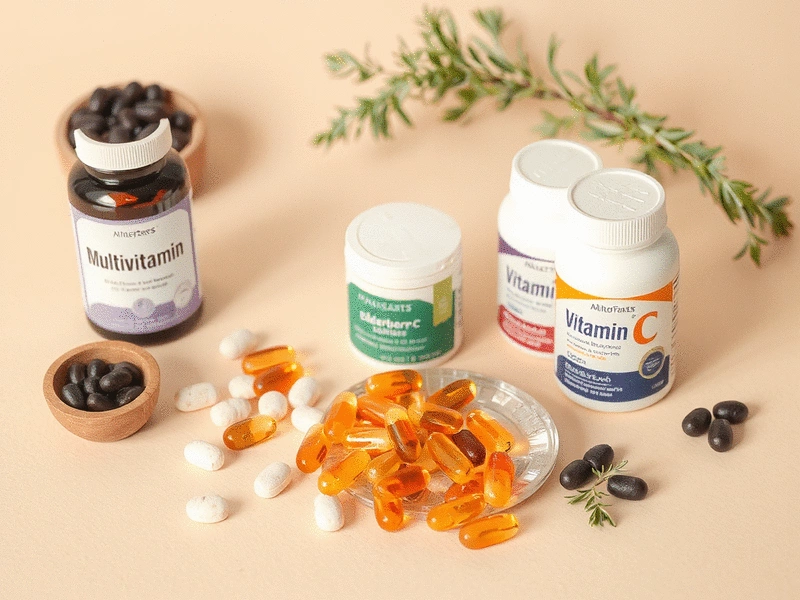
Have you ever wondered how to choose the right supplement for your health needs? Understanding the differences between multivitamins and targeted immune supplements can empower you to make informed decisions that enhance your well-being. Here’s what you’ll discover!
What You Will Learn
- Multivitamins are designed to fill nutritional gaps and support overall health but may not target specific deficiencies.
- Targeted immune supplements offer high concentrations of specific nutrients to enhance immune function during cold and flu seasons.
- Understanding your health goals and ingredient transparency is key when choosing between multivitamins and targeted supplements.
- Consulting healthcare professionals can provide personalized advice that aligns with your unique health circumstances and conditions.
Comparing Multivitamins and Targeted Immune Supplements
Understanding the distinct roles of multivitamins and targeted immune supplements is key to optimizing your health. The comparison below highlights their primary purposes and benefits.
Multivitamins: Broad Support
Designed to fill general nutritional gaps and support overall health. They offer a blend of essential vitamins and minerals for daily function.
- Fill dietary gaps
- Support energy levels
- Promote general well-being
Targeted Immune Supplements: Specific Boost
Focus on specific nutrients (e.g., Vitamin C, D, Zinc) to bolster immune function, often with higher concentrations for direct support.
- Enhance immune response
- Address specific deficiencies
- Increase potency for health concerns
Key Considerations: Informed Choices
Making informed decisions requires understanding your health goals, ingredient transparency, and appropriate dosage.
- Identify health goals
- Check ingredient transparency
- Review dosage & formulation
Personalized Planning: Steps to Success
Tailoring your supplement strategy involves identifying needs, consulting professionals, and choosing quality products.
- Identify your health goals
- Consult a healthcare professional
- Choose quality products
Understanding the Basics: Multivitamins vs. Targeted Immune Supplements
When it comes to supporting our health, understanding the difference between multivitamins and targeted immune supplements is crucial. Both can play a role in our wellness journey, but they serve distinct purposes and cater to different needs. Let’s break this down together!
Multivitamins are designed to fill nutritional gaps in our diets, providing a blend of essential vitamins and minerals. They aim to support overall health and well-being, making them a convenient choice for many. However, it's important to remember that not all multivitamins are created equal, and some may not offer the specific nutrients that your body truly needs. For instance, recent research suggests that multivitamins may not lower the risk of death, highlighting the importance of a balanced diet.
What Are Multivitamins and Their Purpose?
Multivitamins typically contain a broad spectrum of vitamins and minerals necessary for daily function. They're crafted to support general health and are often marketed as a one-stop-shop for nutritional supplementation. Here are some key purposes they serve:
- Filling dietary gaps when your food intake lacks variety.
- Supporting energy levels and overall vitality.
- Promoting general well-being and health maintenance.
While multivitamins can provide a solid foundation for health, they may not address specific deficiencies. This is where targeted immune supplements come into play!
Defining Targeted Immune Supplements and Their Benefits
Targeted immune supplements, on the other hand, focus on specific nutrients that bolster immune function. Unlike multivitamins, these supplements are often formulated with high concentrations of certain vitamins, minerals, and herbal extracts that directly support immune health. The National Institutes of Health provides comprehensive information on vitamins and minerals for immune function. Some of the benefits include:
- Enhanced immune response during cold and flu seasons.
- Support for individuals with specific health conditions or nutritional deficiencies.
- Increased potency in addressing specific health concerns.
If you're looking to give your immune system a powerful boost, focusing on these specialized nutrients may be the way to go!
Exploring the Role of Vitamins and Minerals in Overall Health
Vitamins and minerals are essential for countless bodily functions, from energy production to cell maintenance. They play vital roles in supporting a strong immune system, which is why understanding their contributions is key. Here are some important roles they fulfill:
- Vitamin C: A powerful antioxidant that supports immune function and skin health.
- Vitamin D: Essential for immune regulation and bone health.
- Zinc: Plays a crucial role in immune cell function and healing processes.
By incorporating a variety of these nutrients into our daily routines, we can support our bodies in fighting off illnesses and maintaining optimal health. At Boost Your Immune System, we believe in empowering individuals with the knowledge to make informed choices about their health!
Pro Tip
When considering your supplement options, always pay attention to the ingredient quality. Look for products that use natural sources for their vitamins and minerals, as these are often better absorbed by the body. Additionally, consider supplements that have been third-party tested for purity and potency to ensure you're getting exactly what you pay for!
Making Informed Decisions: Choosing the Right Supplement
Choosing the right supplement can feel overwhelming with so many options available. At Boost Your Immune System, I believe that understanding what you're putting into your body is essential for your health journey. Here, we'll summarize key considerations to help you distinguish between multivitamins and targeted supplements.
When selecting a supplement, think about the following:
- Your health goals: Identify what health issues you're focusing on, such as boosting immunity or enhancing energy levels.
- Ingredient transparency: Look for products with clear labels and studies supporting their effectiveness.
- Dosage and formulation: Ensure that the dosage aligns with your daily nutritional needs.
By considering these factors, you can make a more informed decision about whether to opt for a multivitamin or a more targeted supplement.

Recommendations Based on Lifestyle and Health Conditions
Your lifestyle and health conditions play a significant role in determining which supplements might be right for you. As someone who is passionate about health, I recommend assessing your unique circumstances. Here are some common scenarios:
- Active lifestyle: If you lead a physically demanding lifestyle, a multivitamin may suffice for general support.
- Specific deficiencies: For those diagnosed with deficiencies (like vitamin D or iron), targeted supplements might be necessary.
- Age considerations: Seniors may benefit from specific formulations that focus on bone health or cognitive support.
By evaluating these aspects, you can tailor your supplement choices to better fit your health needs.
Assessing User Reviews and Clinical Studies for Evidence-Based Choices
When it comes to supplement selection, user reviews and clinical studies can be valuable resources. At Boost Your Immune System, I encourage readers to look for supplements that have been backed by both user experiences and scientific evidence. Here’s how you can do this:
- Check online reviews: Look for consistent feedback on effectiveness and side effects.
- Research clinical studies: Identify studies that support the ingredients in a supplement and their benefits.
- Consult trusted sources: Websites and health professionals that focus on evidence-based wellness can guide you.
Combining user insights with solid research helps ensure your supplement choices are grounded in credible information.
Take Action: Tailoring Your Supplement Strategy
Now that you have a clearer understanding of how to choose supplements, it's time to create a personalized supplement plan! My approach emphasizes practical steps to empower you on your health journey.
Steps to Create Your Personalized Supplement Plan
Creating a tailored supplement plan involves a few simple steps. Here’s how you can get started:
- Identify your health goals: Reflect on what you want to achieve with supplementation.
- Consult a healthcare professional: Discuss your objectives and any concerns regarding potential deficiencies or interactions.
- Choose quality products: Opt for reputable brands with transparency in their ingredients and sourcing.
By following these steps, you'll be well on your way to a supplement regimen that supports your individual health needs!
Encouragement to Consult Health Professionals for Guidance
While I love sharing information about supplements, I always recommend consulting with a healthcare professional before starting any new regimen. They can provide personalized advice based on your unique health history and needs.
Don’t hesitate to reach out to your doctor or a nutritionist—it's a wise step toward optimizing your health!
Utilizing Online Supplement Retailers for Quality Products
When it comes to purchasing supplements, online retailers can offer a wide range of options. Just make sure to choose reputable sites that provide detailed product information and customer reviews. The Office of Dietary Supplements provides valuable updates on dietary supplement research and information. Here are some tips for selecting the best products:
- Verify certifications: Look for third-party testing certifications to ensure quality and safety.
- Read ingredient lists: Familiarize yourself with the ingredients to avoid allergens or unwanted additives.
- Compare prices: Check multiple retailers to find competitive pricing on your chosen supplements.
With these strategies, you can confidently navigate the online supplement market and make choices that truly benefit your health.
Frequently Asked Questions (FAQs)
- Q1: What is the main difference between multivitamins and targeted immune supplements?
- A1: Multivitamins offer a broad spectrum of essential vitamins and minerals to fill general nutritional gaps and support overall health. Targeted immune supplements, conversely, focus on higher concentrations of specific nutrients (like Vitamin C, D, or Zinc) to specifically bolster immune function.
- Q2: Can multivitamins address specific nutritional deficiencies?
- A2: While multivitamins provide general nutritional support, they may not offer sufficient amounts of specific nutrients to address established deficiencies. Targeted supplements are usually more effective for addressing particular deficiencies.
- Q3: How do I know if I need a targeted immune supplement?
- A3: If you are looking to specifically enhance your immune response, especially during cold and flu seasons, or if you have specific health conditions that benefit from immune support, a targeted immune supplement might be beneficial. Consulting a healthcare professional can help you determine your specific needs.
- Q4: What should I consider when choosing a supplement?
- A4: Key considerations include your individual health goals, the transparency of the ingredient list, the dosage and formulation of the product, and whether the product is backed by user reviews and clinical studies. Quality and third-party testing are also important.
- Q5: Why is it important to consult a healthcare professional before starting any new supplement?
- A5: Healthcare professionals can provide personalized advice based on your unique health history, existing medical conditions, and potential interactions with medications. This ensures that your supplement choices are safe and effective for your individual needs.
Recap of Key Points
Here is a quick recap of the important points discussed in the article:
- Multivitamins: Designed to fill nutritional gaps and support overall health, but may not address specific deficiencies.
- Targeted Immune Supplements: Focus on specific nutrients that enhance immune function, especially beneficial during cold and flu seasons.
- Choosing the Right Supplement: Consider your health goals, ingredient transparency, and dosage when selecting between multivitamins and targeted supplements.
- Assessing Individual Needs: Tailor your supplement choices based on lifestyle, specific deficiencies, and age considerations.
- Research and Reviews: Look for products backed by user reviews and clinical studies to ensure evidence-based choices.
- Personalized Supplement Plans: Identify goals, consult healthcare professionals, and choose quality products that meet your nutritional needs.

Dr. Elara Finch
Dr. Elara Finch is a dedicated health and wellness expert passionate about empowering individuals to strengthen their immune systems through natural and holistic approaches. With extensive training in nutrition and wellness, Dr. Finch combines evidence-based research with practical insights to guide readers toward healthier lifestyles. Through her work, she aims to educate and inspire others to take charge of their health and well-being, helping them navigate seasonal changes with robust immunity.
Popular Posts
Safe Online Sources for Immune Supplements
![Where to Buy High-Quality Immune Support Supplements Online Safely]() Have you ever considered how essential your immune system is to your overall health? With the rise o
Have you ever considered how essential your immune system is to your overall health? With the rise o
 Have you ever considered how essential your immune system is to your overall health? With the rise o
Tools for Immune Health Tracking
![Navigating Immune Health Resources: Best Apps and Tools for Lifestyle Tracking]() What if a few simple lifestyle changes could significantly boost your immune health? Understanding t
What if a few simple lifestyle changes could significantly boost your immune health? Understanding t
 What if a few simple lifestyle changes could significantly boost your immune health? Understanding t
Budget-Friendly Immune-Boosting Food Tips
![How to Shop and Choose Immune-Boosting Foods on a Budget]() What if a simple change in your diet could strengthen your body's defenses against illness? The conn
What if a simple change in your diet could strengthen your body's defenses against illness? The conn
 What if a simple change in your diet could strengthen your body's defenses against illness? The conn
Personalize Your Immune Health Naturally
![Using Functional Medicine Approaches to Personalize Your Immune-Boosting Lifestyle]() What if you could boost your immune system not just by treating symptoms but by addressing the root
What if you could boost your immune system not just by treating symptoms but by addressing the root
 What if you could boost your immune system not just by treating symptoms but by addressing the root
